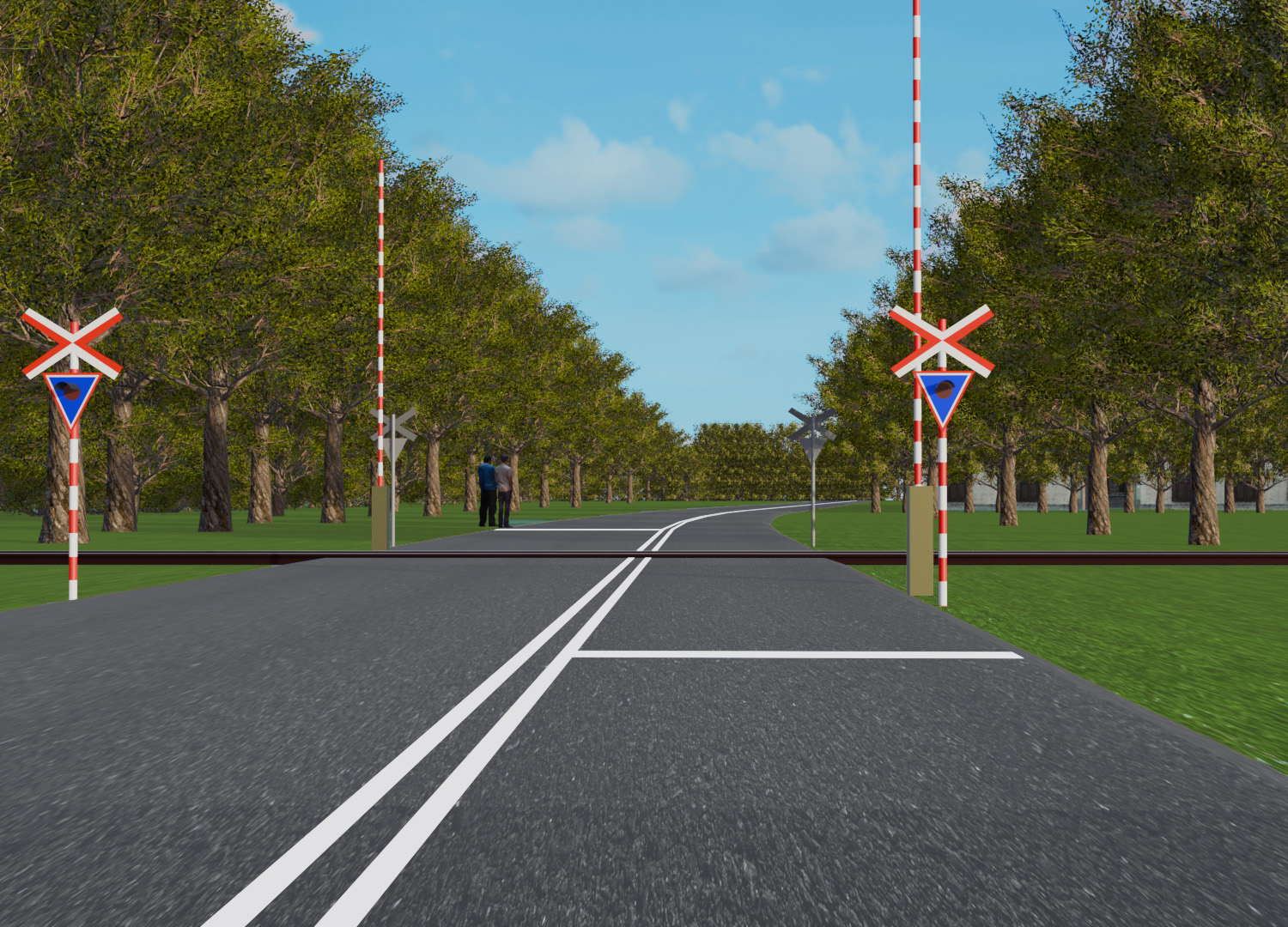
Speed and speed limits

All about speed rules and safe driving on Danish roads

Basic speed rules

Speed must always be adapted to the conditions, with particular regard for the safety of others and the current traffic situation.

General rules

A vehicle's speed must always be adapted to the conditions, with particular regard for the safety of others. The driver must take into account the condition of the road, the weather, visibility, the condition and load of the vehicle, and the general traffic situation.

Speed must never be so high that the driver loses control of the vehicle. The driver must be able to stop within the distance visible ahead of the vehicle and anticipate any obstacles.

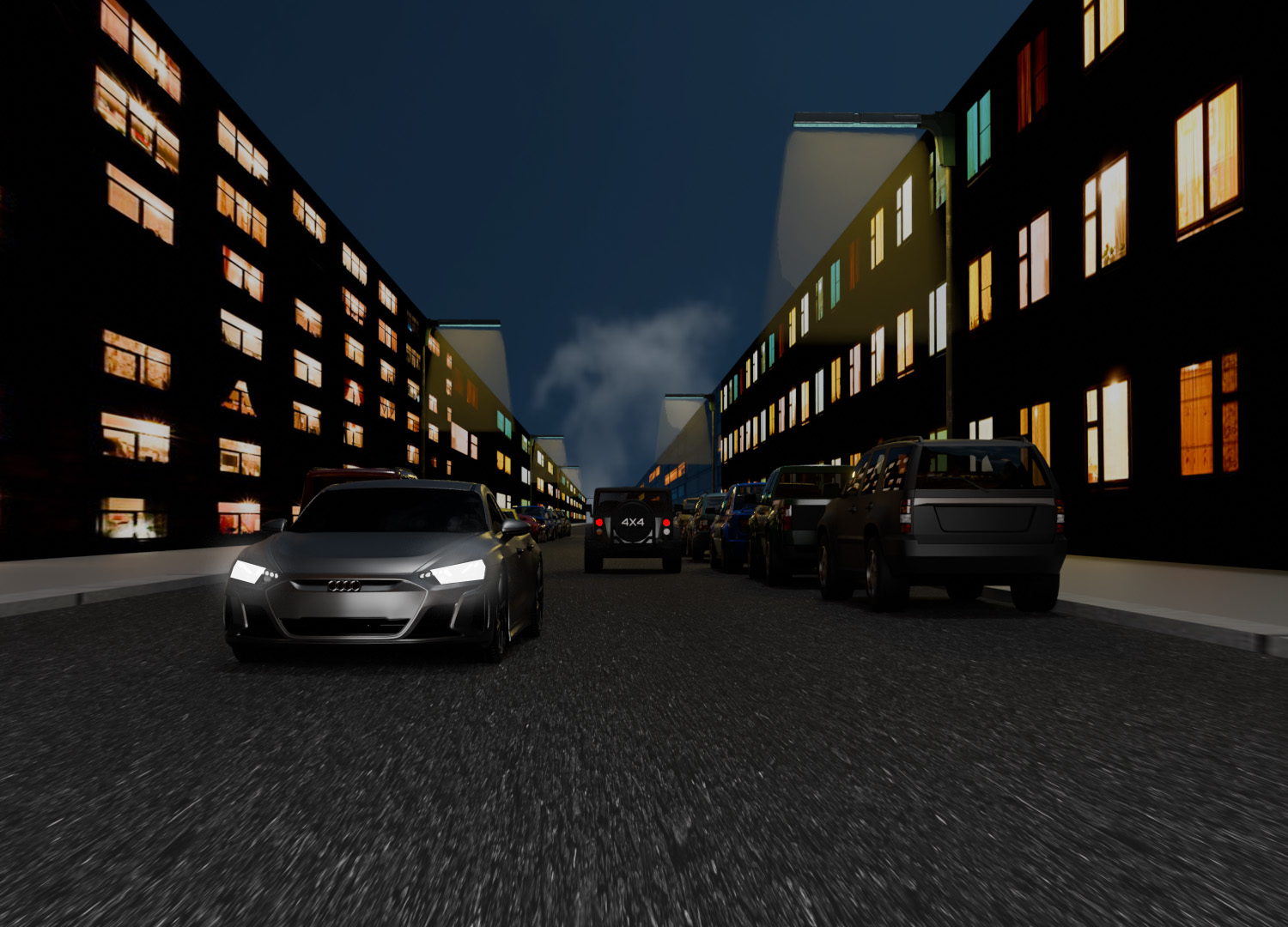
When switching from high beam (full beam) to low beam (dipped beam), speed must be adjusted to suit the reduced visible distance.
Low speed required

  • In densely built-up areas
  • When visibility is reduced due to light or weather conditions
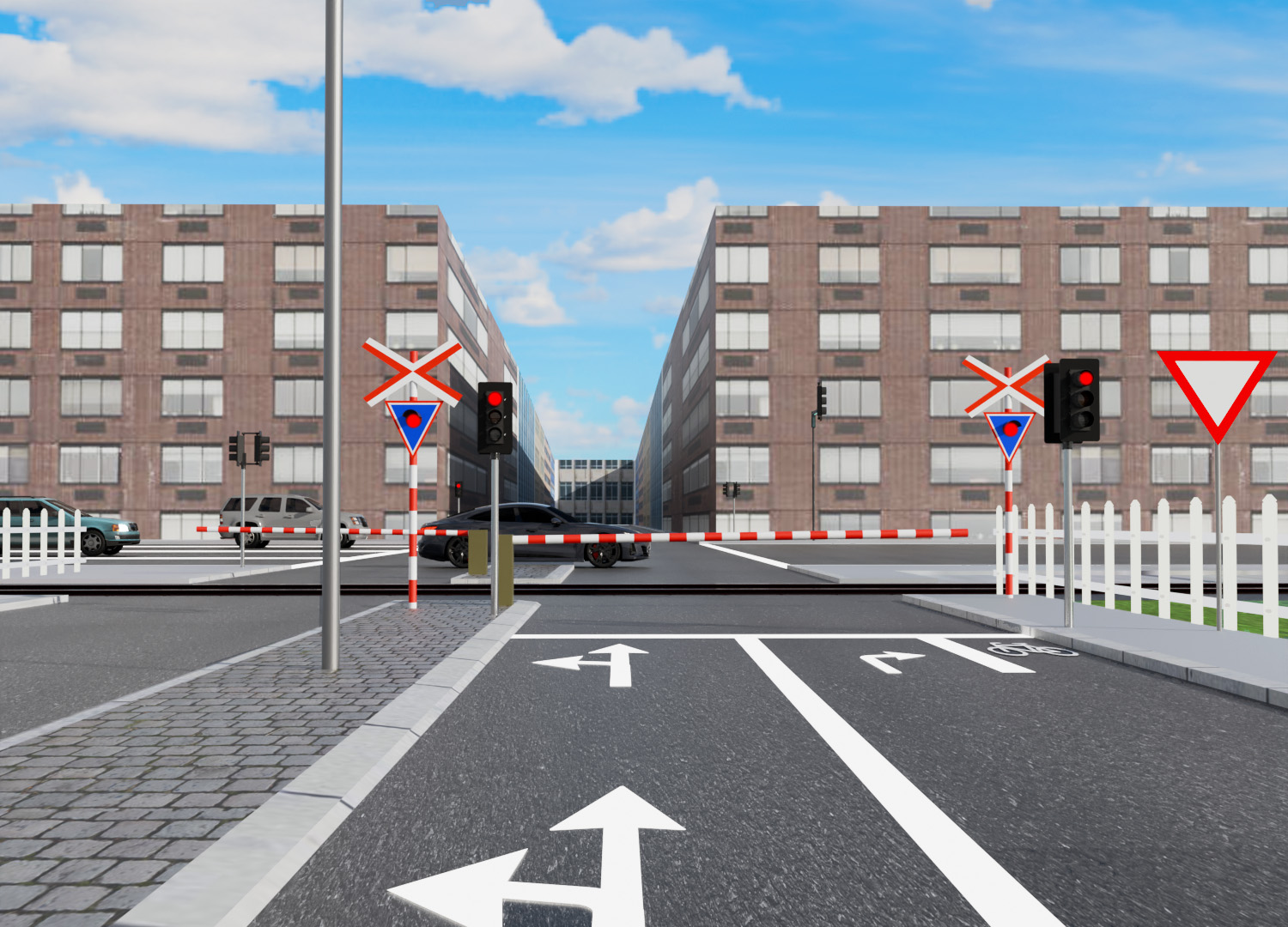
  • At intersections and in bends
  • In front of pedestrian crossings
  • In front of hilltops or places with limited visibility
  • Where there is a risk of dazzling
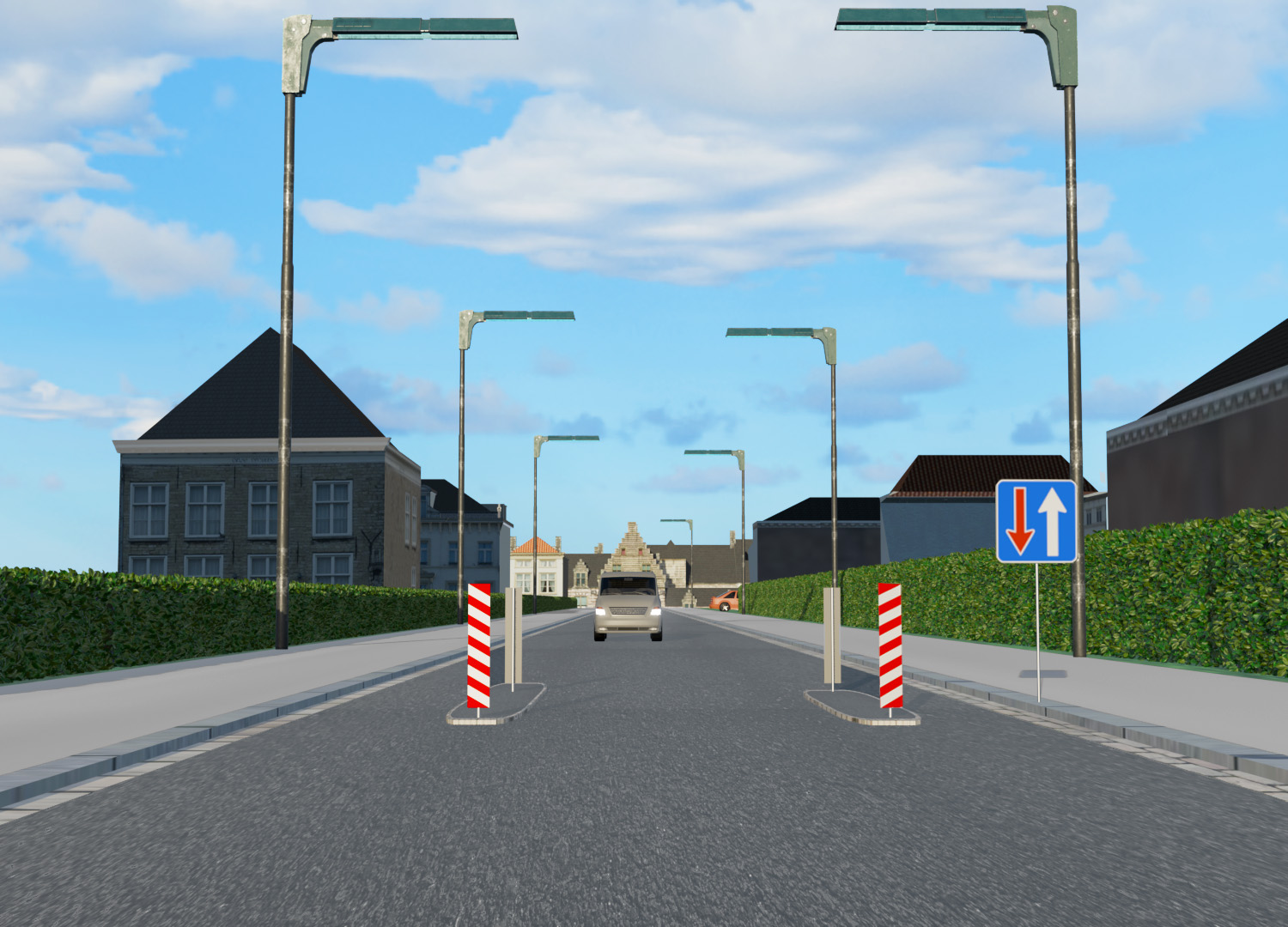
  • When meeting other vehicles on narrow roads

Additional situations

  • In wet, slippery, or greasy road conditions
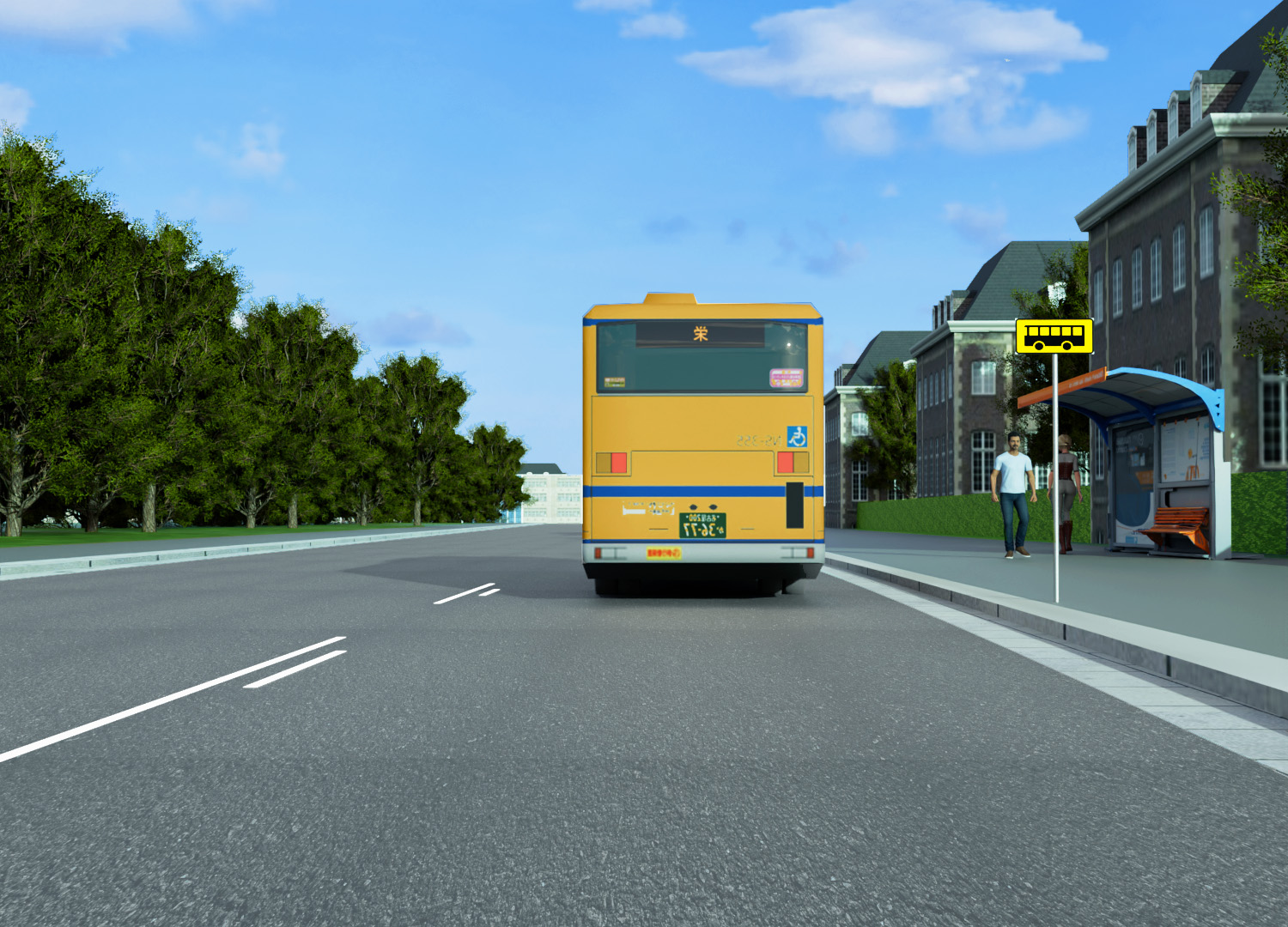
  • When the vehicle approaches a bus or light rail vehicle stopped to set down or pick up passengers
  • When the vehicle approaches children at or on the road
  • When the vehicle approaches horses or cattle on the road
  • Where work is being carried out on the road
  • When passing an accident site on the road

Rules for driving

  • The driver must not, without reasonable cause, drive at an unnecessarily low speed or make sudden braking that obstructs the normal driving of others
  • In poor weather conditions, speed must be adapted so that other road users avoid being splashed as far as possible

Warning triangle

  • In the event of a breakdown or engine failure where the car poses a danger or nuisance to traffic, a warning triangle must be set up immediately
  • On ordinary roads, the triangle is placed at least 50 metres before the car
  • On motorways, the triangle is placed at least 100 metres before the car

General speed limits

  • In a built-up area: Maximum 50 km/t
  • Outside a built-up area: Maximum 80 km/t
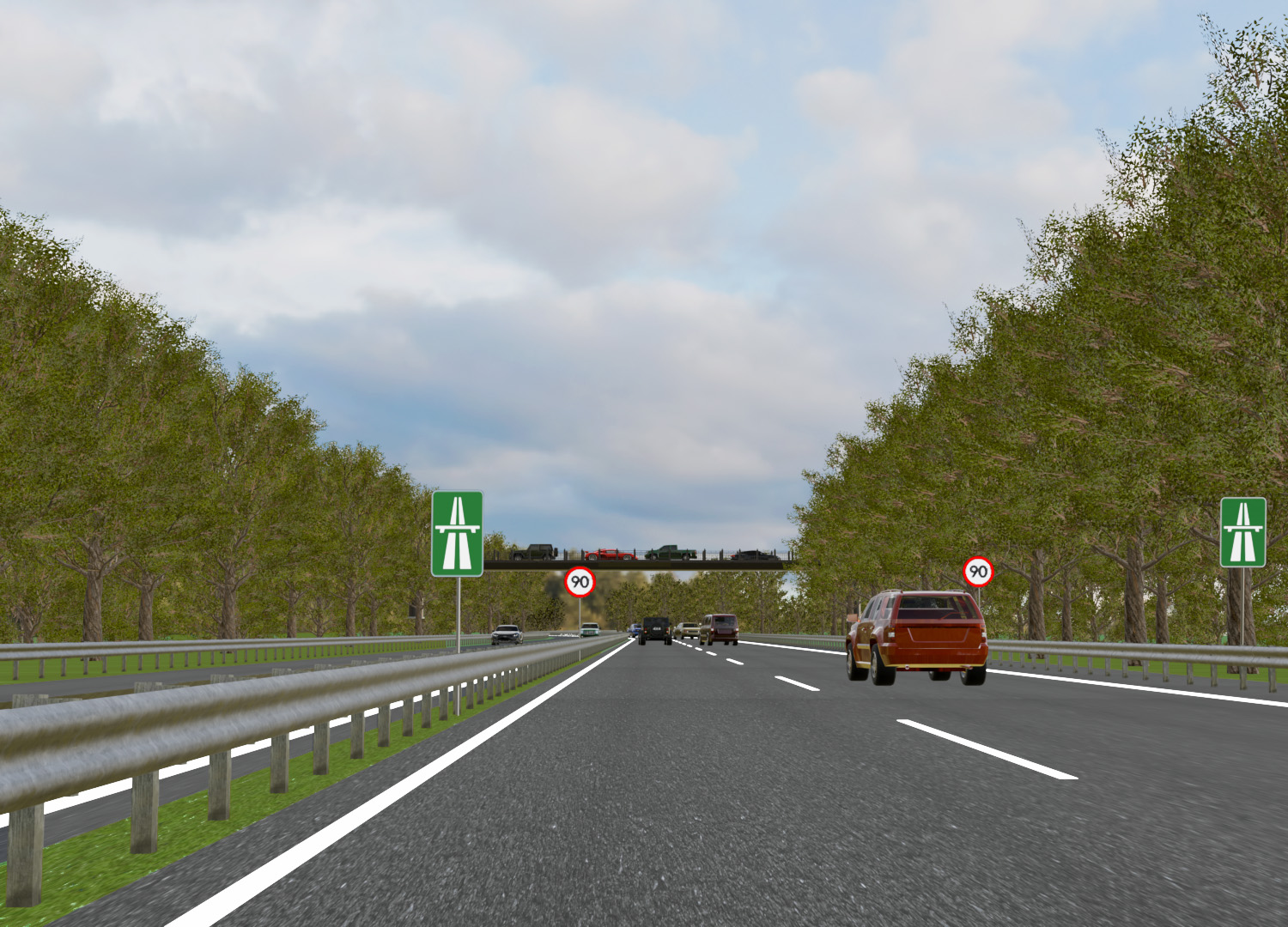
  • On motorways: Maximum 130 km/t
  • On expressways: Maximum 80 km/t

Exceptions

For specific stretches of road, a higher speed limit than the general one may be set if conditions allow and essential considerations of road safety are not disregarded.

  • On expressways, however, the speed must not exceed 100 km/t
  • On motorways, the speed must not exceed 130 km/t

Lower speed limits

On stretches of road where it is not safe or appropriate to allow driving at the general speed limits, a lower limit may be set.

In built-up areas, a lower speed limit may likewise be introduced for specific, defined areas.

Speed signs and zones

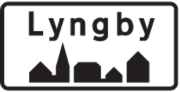
Built-up area sign

Built-up area

The sign marks an area where the Road Traffic Act rules for a built-up area apply.

  • The geographic town name may be shown in Danish as well as in English or an official language of a neighbouring country
  • The sign may be designed as a supplementary panel and may be placed beneath sign C 56 (End of local speed limit)
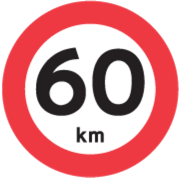
Local speed limit sign

Local speed limit

The sign indicates a local speed limit for a specific stretch of road under section 42 of the Road Traffic Act.

  • The limit applies regardless of the rules in section 16(2) and continues until it is lifted
  • The speed limit can be further specified with a weight indication on a supplementary panel
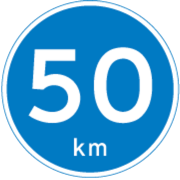
Minimum speed sign

Minimum speed

The requirement for a minimum speed applies to all moving road users, except cyclists and riders of small mopeds.

  • The requirement ends when indicated by sign D 56 (End of minimum speed) or by a supplementary panel with a distance indication
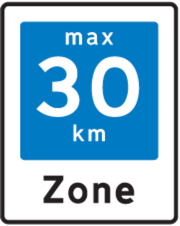
Traffic-calming sign

Traffic-calming area

The sign marks an area where the road layout makes it unsuitable for driving at a higher speed than the one indicated.

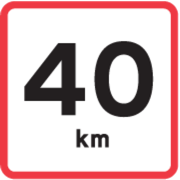
Speed indication sign

Speed indication

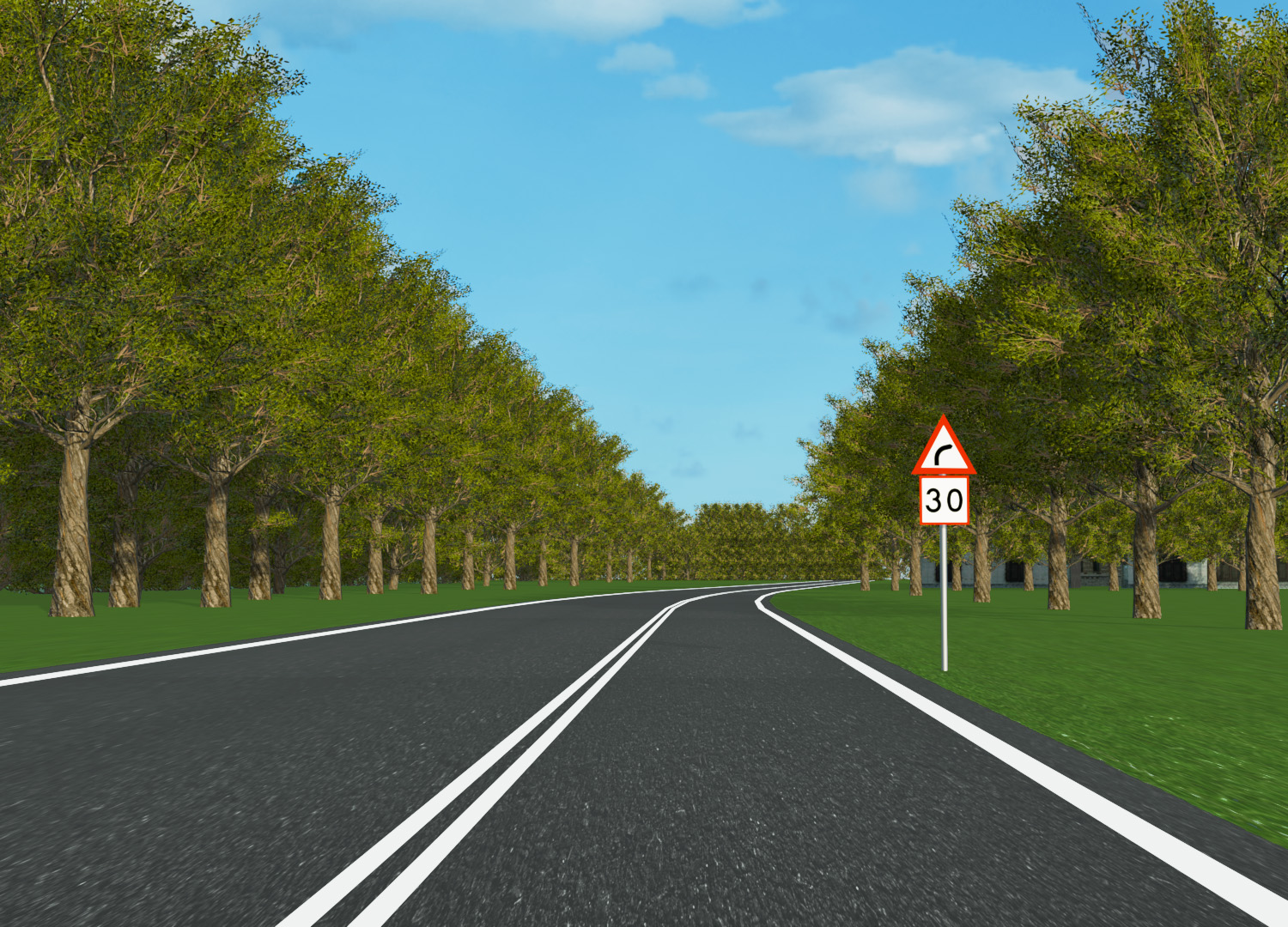
The supplementary panel shows the recommended speed at which the bend or bends can be driven through under normal conditions.

Speed limits for special types of vehicles

Buses

  • Buses over 3,500 kg must not drive faster than 80 km/t
  • Buses that meet special requirements may, however, drive up to 100 km/t on motorways

Trucks and road trains

  • Trucks and road trains over 3,500 kg may drive a maximum of 80 km/t on roads other than motorways

Cars with trailers

Passenger cars under 3,500 kg with an attached trailer, semi-trailer, or caravan must not drive faster than:

  • 80 km/t on ordinary roads
  • 100 km/t on motorways if special conditions are met

Motorcycles with trailers

  • Motorcycles with an attached trailer may drive at the same speed limits as cars with trailers

Tractors and motor equipment

  • Maximum speed: 30 km/t
  • Registered tractors and motor equipment with a trailer that meet special requirements may, however, drive up to 40 km/t

Vehicles with solid wheel covering

  • The speed must never exceed 15 km/t

Mopeds

  • Large moped: Maximum speed 45 km/t
  • Small moped: Maximum speed 30 km/t

Light rail vehicles

  • Must not drive faster than the applicable speed limits for buses
  • A higher speed may be set on stretches where the light rail is clearly separated from other traffic, if traffic safety allows it

Specific rules

  • For vehicles with special technical limitations, lower speed limits may be set
  • The Minister for Transport, Building, and Housing may set higher or lower speed limits for specific vehicle types if conditions and safety allow it
  • Trials with higher speed limits for certain vehicles may be initiated after approval
Remember: These rules ensure that vehicles of different kinds operate within safe speed limits adapted to their construction and purpose.