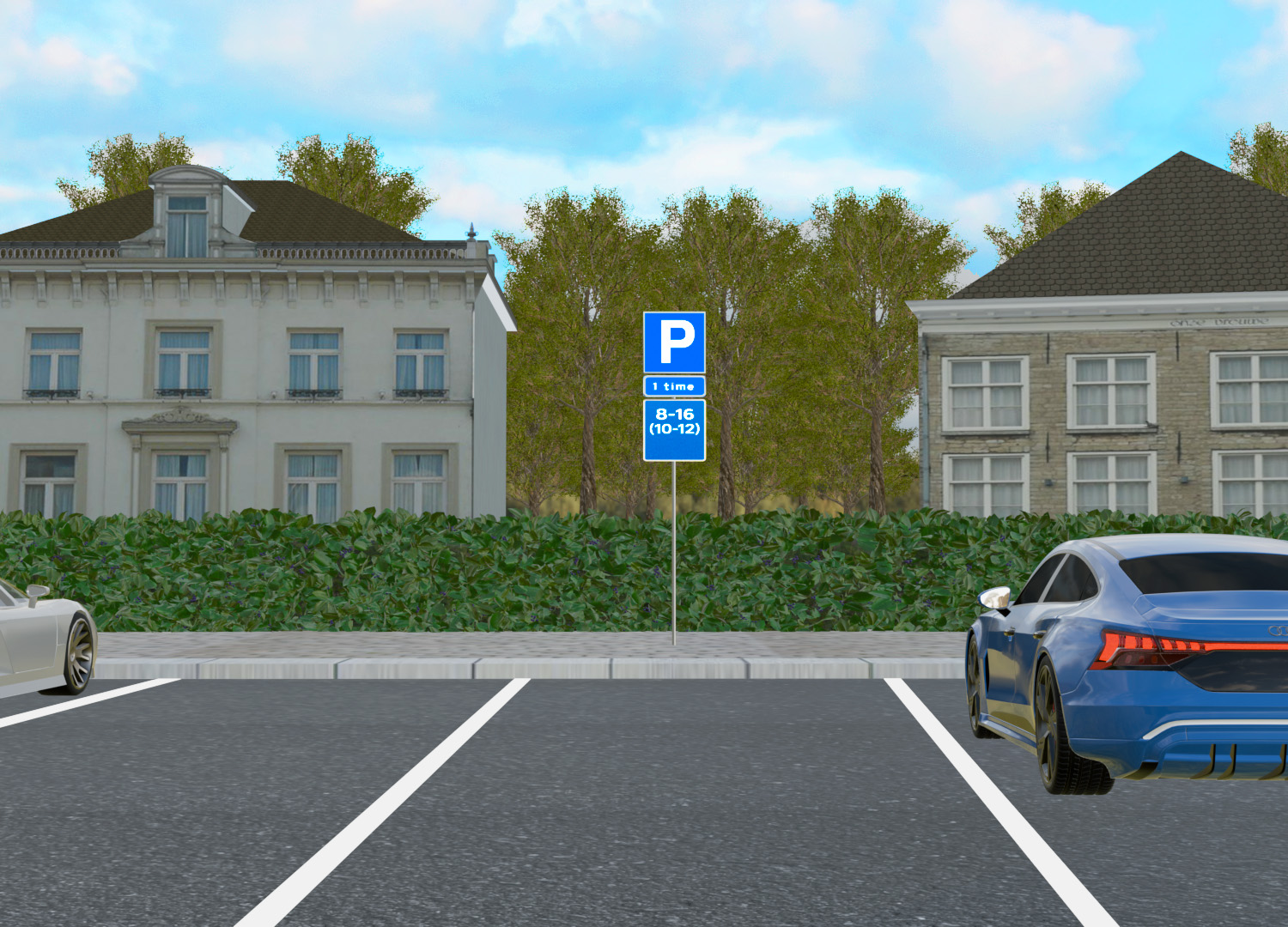
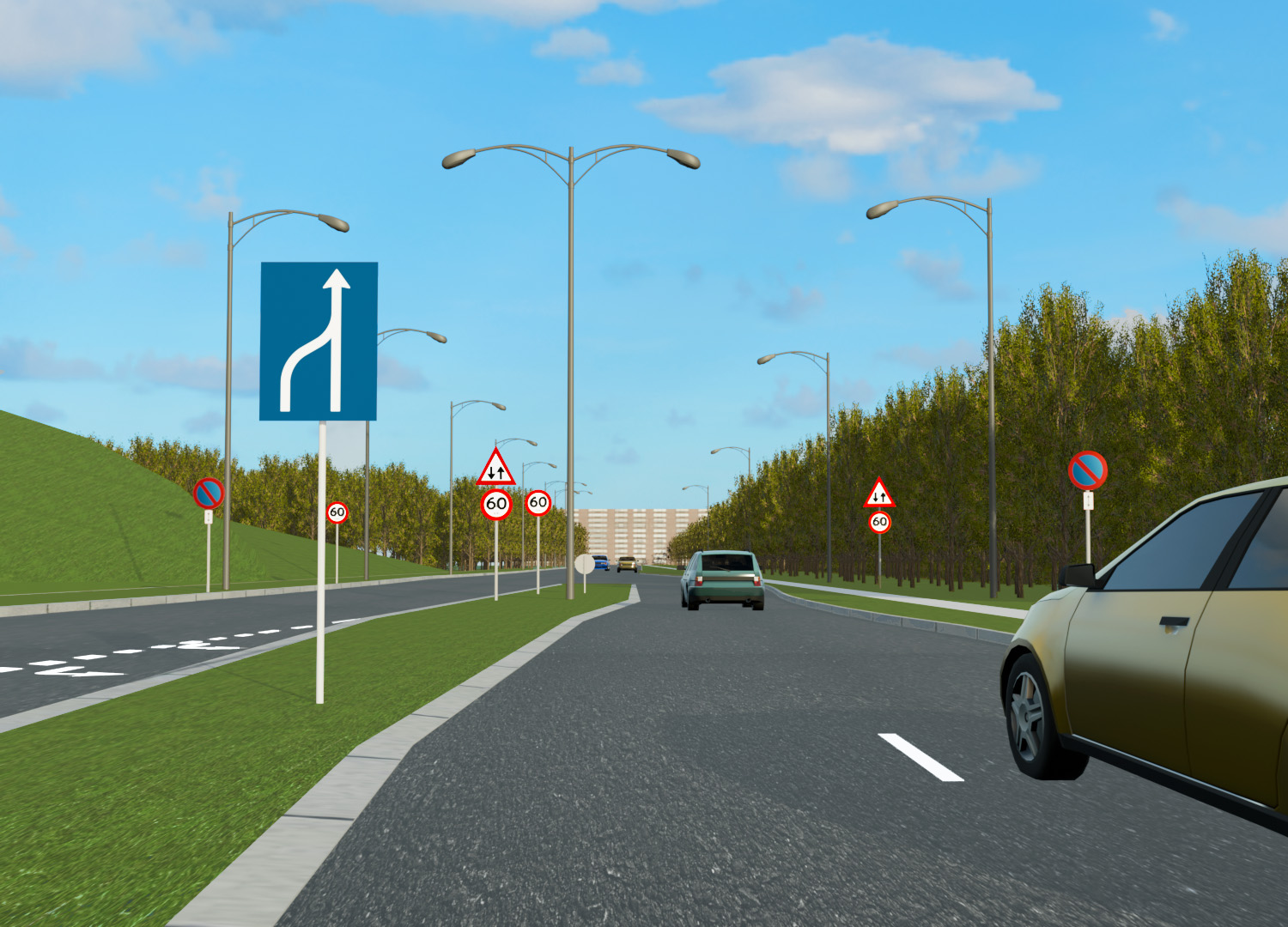
Correct stopping and parking is essential for road safety and the flow of traffic.
What is parking?
Parking is any leaving of the car, with or without a driver, for at least 3 minutes.
However, under the Road Traffic Act it is not considered parking if you stand still for more than 3 minutes in order to:
Drop off or pick up passengers
Unload or load goods
What is a stop?
A stop is any leaving of the car, with or without a driver, for at most 3 minutes.
It is not considered a stop within the meaning of the Road Traffic Act if you have to stand still in:
Dense traffic
As part of a manoeuvre
General rules
Basic rule
Stopping or parking must not take place in places or in ways that may create danger or disrupt traffic.
Placement
Stopping or parking must normally take place on the right side of the road in the direction of travel. On less-trafficked roads and one-way streets, however, stopping or parking may take place on the left side.
When parking or stopping, the vehicle must be placed along the length of the road, close to the edge of the carriageway or, if possible, outside it.
Outside built-up areas
If the parking space is close to the road outside a built-up area, the driver must, if possible, choose the parking space on the right in the direction of travel.
Prohibited areas
Stopping or parking must not take place on:
Cycle paths, footpaths or pavements
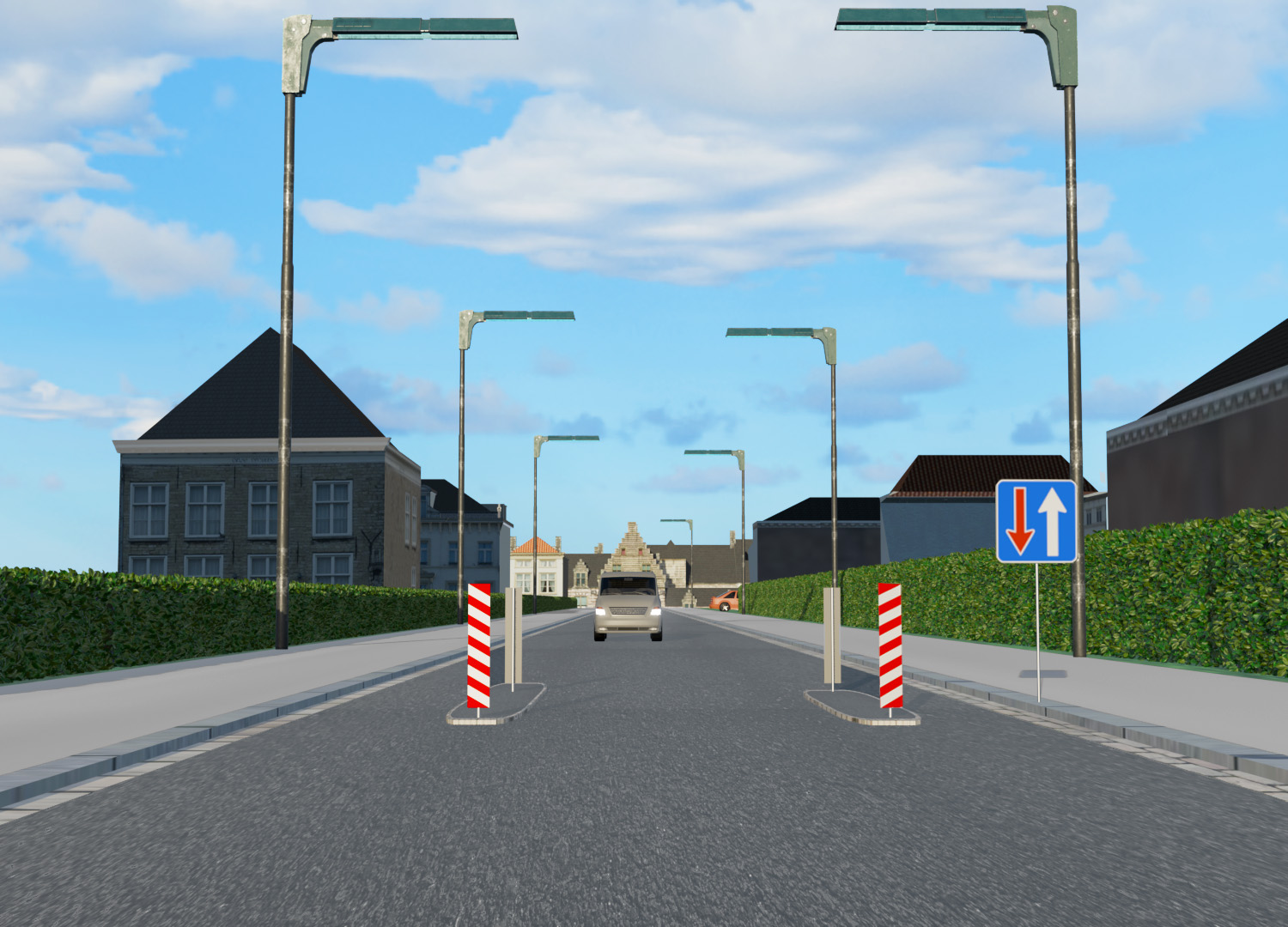
Central reservations, dividing strips, traffic islands and the like
Special rule outside built-up areas
Vehicles whose permitted total weight does not exceed 3,500 kg may be parked with part of the vehicle on the pavement or the dividing strip. This rule does not, however, apply to bicycles and two-wheeled mopeds.
Safety precautions
When the driver leaves the vehicle, it must be ensured that the vehicle cannot start by itself. In addition, the driver must take the necessary steps to prevent the vehicle from being misused by others. Any required anti-theft device must be activated.
Opening doors
Opening the doors, getting in and out, and loading and unloading must be carried out in a way that does not cause danger or unnecessary disturbance.
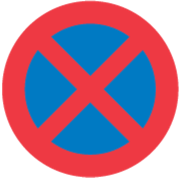
No stopping
The sign prohibits stopping on the carriageway, unless it is done out of consideration for other traffic.
The prohibition can be specified further on a supplementary sign, where it may, for example, state that the prohibition only applies on certain weekdays or times, and that outside those times there may be a parking prohibition or time-limited parking.
If section 28(1) or section 29 of the Road Traffic Act contains stricter rules than the provisions stated on the signs, the law takes precedence over the signs.
The provisions on the signs apply only to the side of the road where the signs are placed. This does not change the rules in section 28(2) of the Road Traffic Act.
The provisions apply in the direction of travel on the side of the road where the sign is placed, until the next intersection, unless another sign for stopping or parking is placed before the intersection, or something else is indicated by an arrow on a supplementary sign.
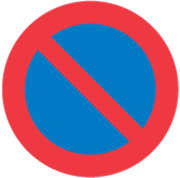
No parking
The sign prohibits parking on the carriageway.
The prohibition can be specified on a supplementary sign, where it may, for example, state that the prohibition only applies on certain weekdays or times, and that outside those times there may be time-limited parking.
If section 28(1) or section 29 of the Road Traffic Act has stricter rules than those stated on the signs, the law takes precedence over the signs.
The provisions on the signs apply only to the side of the road where the signs are placed. This does not change the rules in section 28(2) of the Road Traffic Act.
The provisions apply in the direction of travel on the side of the road where the sign is placed, until the next intersection, unless another sign for stopping or parking is placed before the intersection, or something else is indicated by an arrow on the supplementary sign.
Where you may neither stop nor park
Stopping or parking must not take place:
On a pedestrian crossing or in front of an exit from a cycle path, or within 5 metres before the pedestrian crossing or the exit from a cycle path running along the carriageway, or 5 metres on each side of the exit from a cycle path that crosses the carriageway
At an intersection or within 10 metres of the nearest edge of the transverse carriageway, or where the carriageway and cycle path meet, from the nearest edge of the cycle path
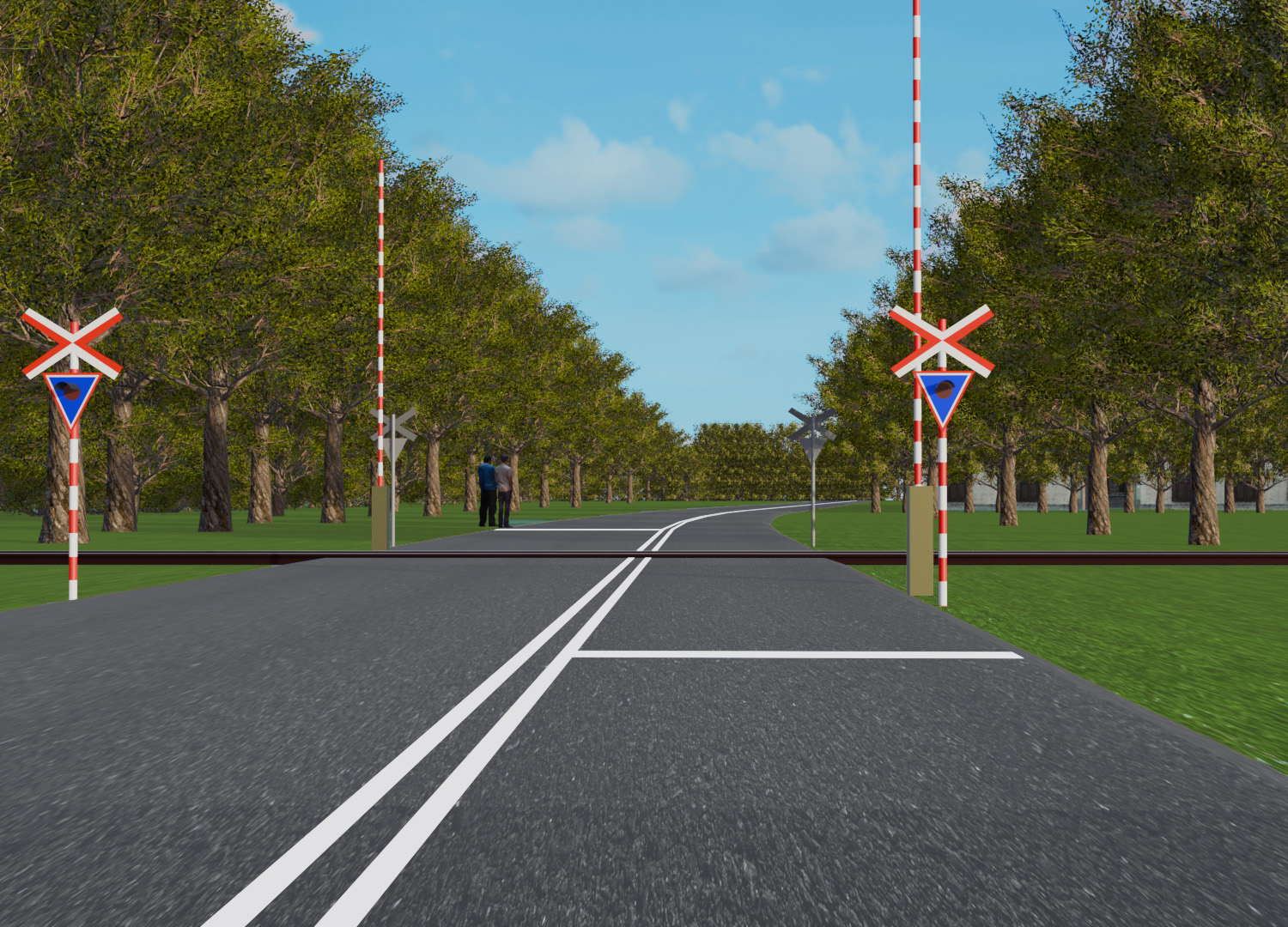
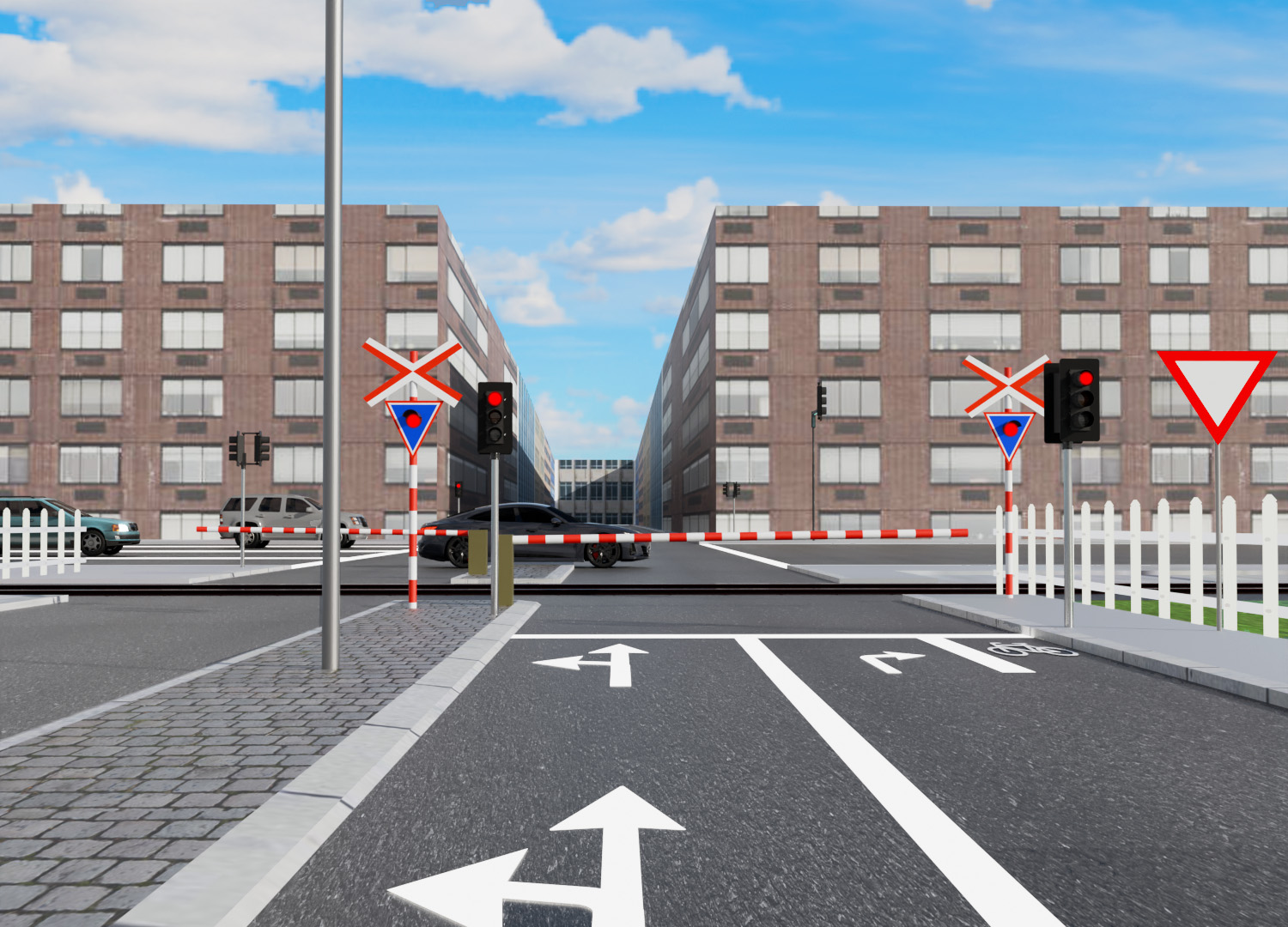
On a level crossing or other crossings
In a way that covers a traffic sign or signal
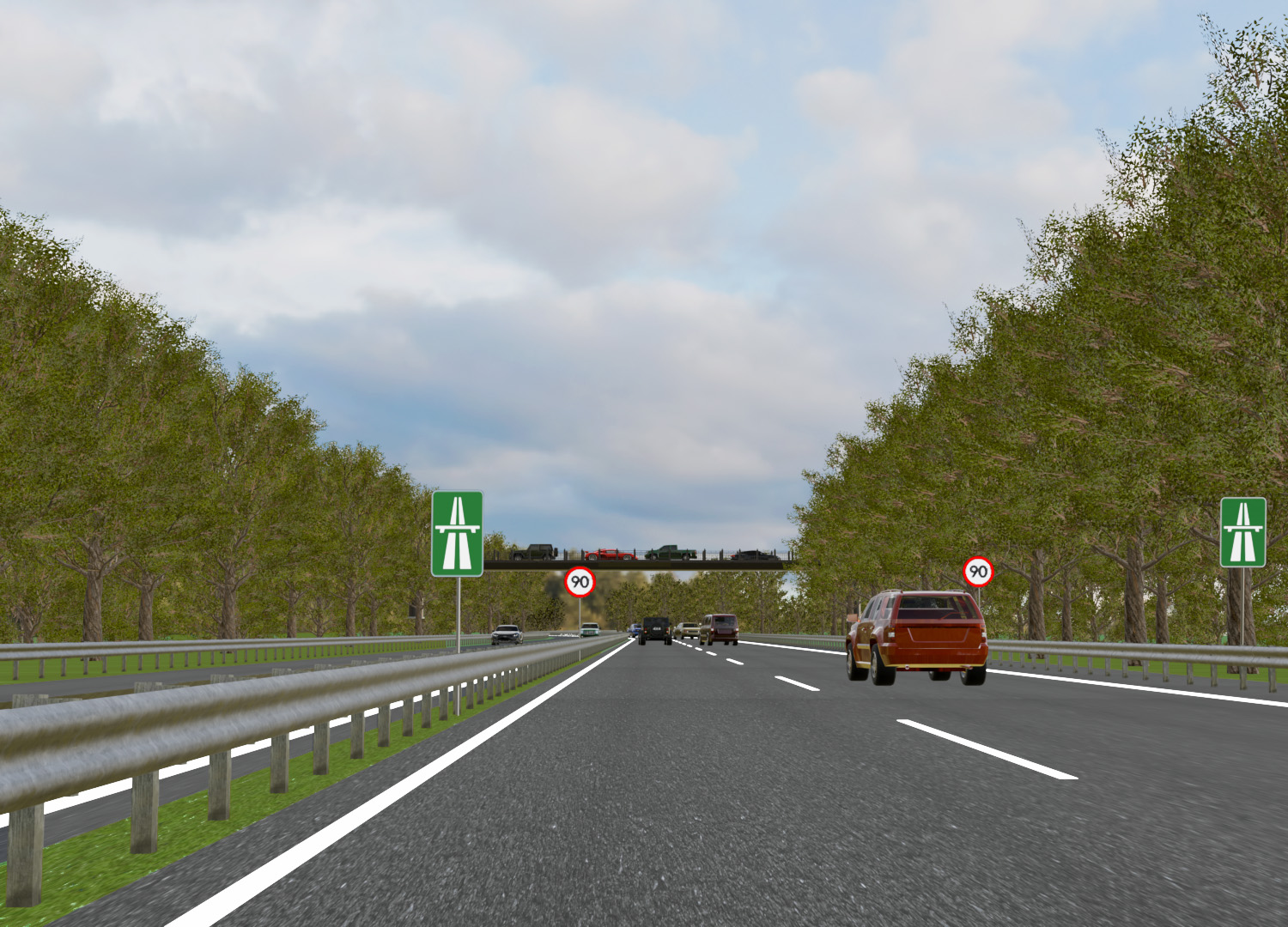
On a bridge over a motorway, in a viaduct or tunnel
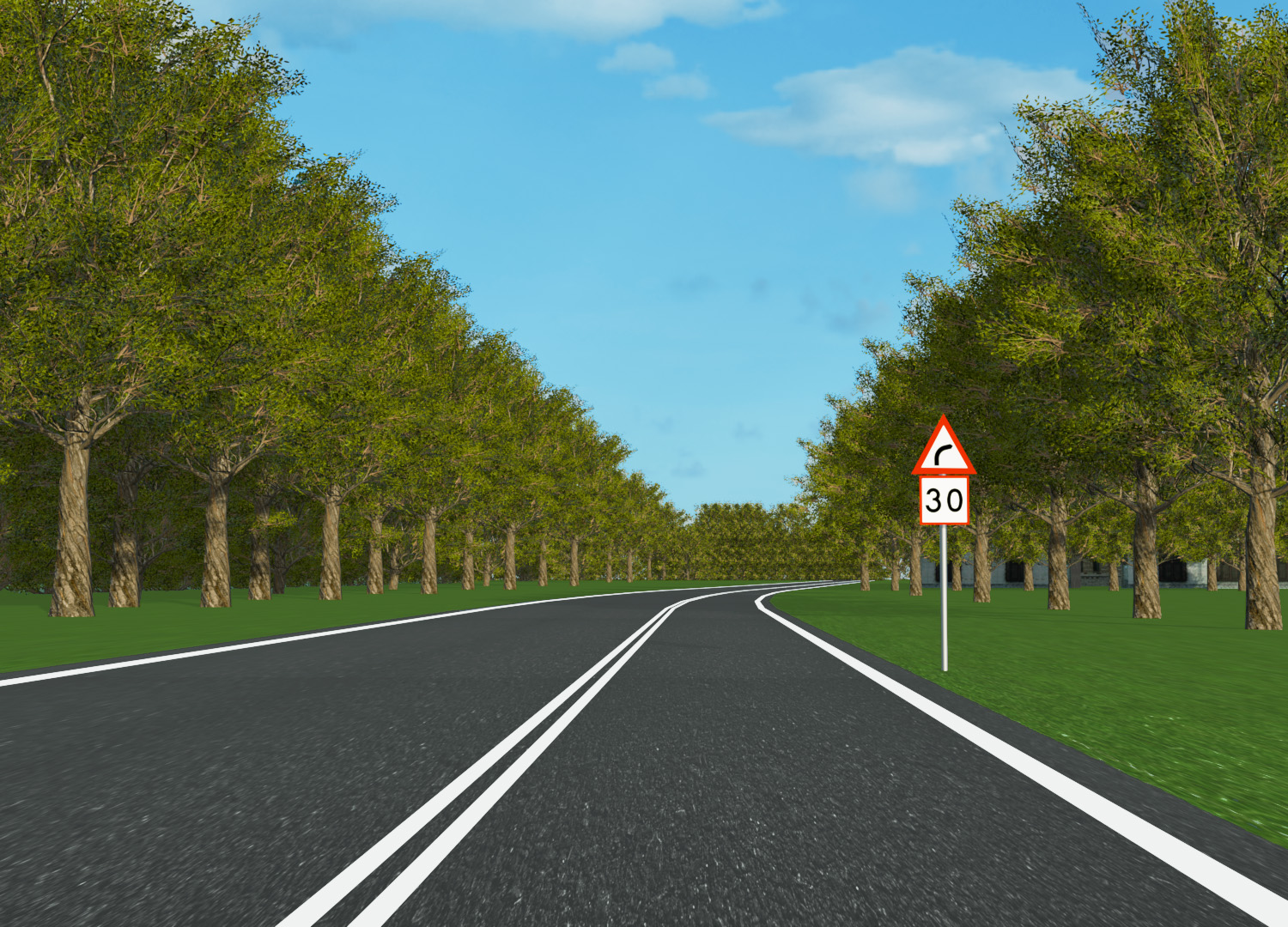
On or near the top of a hill, or in or by an obscure bend in the road
On a stretch where the carriageway before an intersection is divided into lanes by means of barrier lines, or within 5 metres before the start of such a stretch
Next to a barrier line, if the distance between the vehicle and the line is less than 3 metres, and there is no broken line between the vehicle and the barrier line
In a crawler lane
At a marked taxi rank
In a way that hinders the running of a light rail vehicle
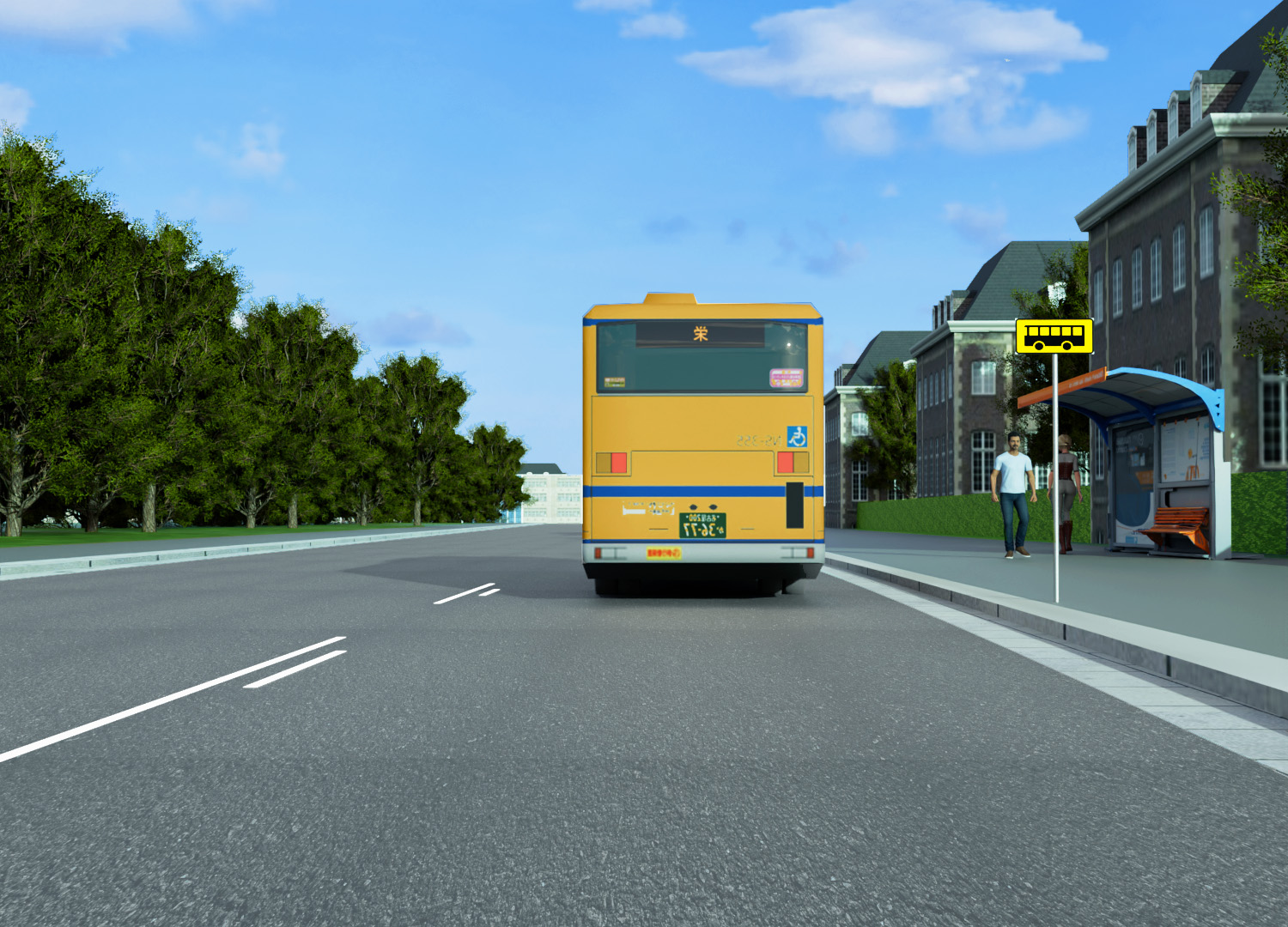
At a bus stop: It is not permitted to stop or park on the marked stretch on each side of the bus stop sign. If there is no such marking, the prohibition applies within 12 metres on each side of the sign.
Where you may not park
Parking must not take place:
Closer than 30 metres from a level crossing
In front of an entry to or exit from a property, or in a way that significantly hinders driving to or from a property
On the carriageway of main roads outside built-up areas
Next to another vehicle stopped at the edge of the carriageway, apart from a two-wheeled bicycle, two-wheeled moped or two-wheeled motorcycle without a sidecar
In a way that hinders access to another vehicle, or makes it impossible to move it away from the spot
The Minister of Transport, Building and Housing may lay down further prohibitions on stopping and parking, including for certain types of vehicles.
Obligations for stopping and parking in special areas and in special cases
By a railway track
If a vehicle is stopped or parked on a track that lies in a road, harbour area or the like, or within 2 metres of the nearest rail, the driver must not leave the vehicle any further than that he/she can stay aware of any traffic on the track.
When it can be heard or seen that a train or another rail vehicle is approaching, the driver must immediately move the vehicle without being prompted.
By a level crossing
If a vehicle is stopped on a level crossing or other crossing, the driver must, if the vehicle cannot be moved immediately, also take the necessary measures to warn drivers of trains or other rail vehicles.
In case of illegal stopping
If a vehicle is stopped in a place where parking or stopping is prohibited, for example due to a traffic accident, engine failure or other reasons, it must be moved to a suitable place as quickly as possible.
This applies unless otherwise follows from the provisions of section 9 (Obligations in case of traffic accidents).
Warning measures
If the vehicle is stopped in a place that creates danger or disturbance to traffic, the driver must, if the vehicle cannot be removed immediately, take measures to warn other road users.
All motor vehicles, apart from two-wheeled mopeds and two-wheeled motorcycles without a sidecar, as well as trailers, must be fitted with a triangular warning device. It must be placed in a way that warns road users in good time.
The Minister of Transport, Building and Housing lays down detailed rules for the warning device and its placement.
Important points to remember
The 3-minute ruleUnder 3 min = stopping, over 3 min = parking
Safety firstNo danger or disturbance to traffic
Observe prohibitionsRespect signs and legislation
Remember: Correct stopping and parking ensures the flow of traffic for everyone!
More traffic rules
Click a topic to learn more about specific traffic rules