Right of way — Traffic rules for drivers

Fundamental yielding rules and obligations

Right of way saves lives

Correctly understanding and following the right-of-way rules is the foundation of safe traffic.

Unconditional yielding

You must give way to all traffic from both the right and the left in the following situations:
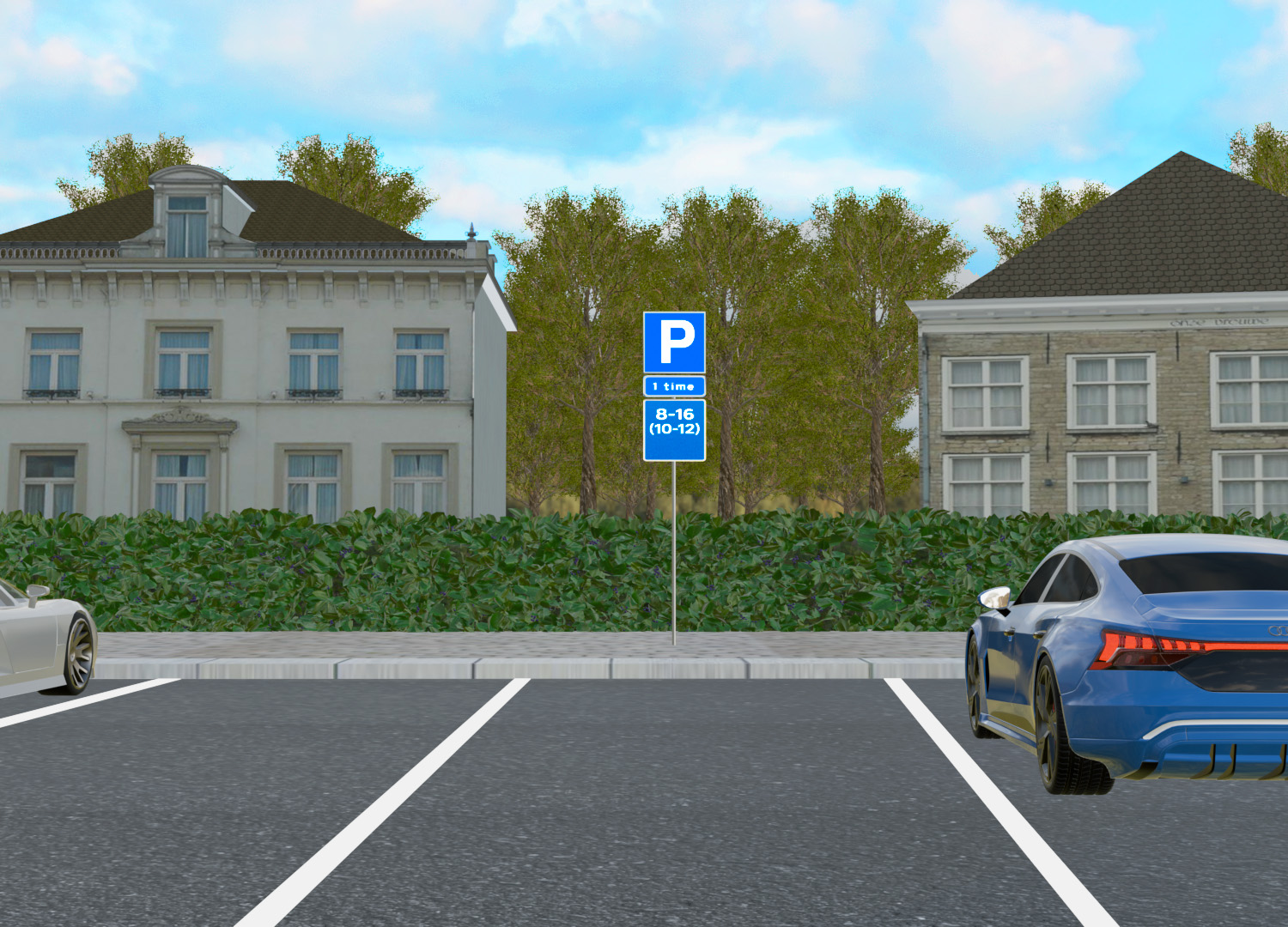
  • Exiting a parking area
  • Exiting a property or plot of land
  • Exiting a petrol station or similar
  • Exiting a clearly subordinate road, such as a field road, path or similar
  • Exiting a road that crosses a pavement, cycle path or verge, where the verge is clearly raised above the level of the carriageway


Right-side priority

You must give way to traffic from the right, and you must assess whether road users coming from the left can and will give way.
You have right-side priority unless otherwise signed or indicated.

Basic rule

Right-side priority applies in all situations where there are no special signs or signals indicating otherwise.

General yielding rules

Caution at junctions

The driver of a vehicle must exercise special caution at junctions.

Marking of right of way

When you drive onto or across a road, you must give way to traffic from both sides (unconditional yielding) if this is indicated by markings in accordance with § 95.

Crossing directions of travel

When, in other situations, vehicles have directions of travel that cross one another, the driver of the vehicle that has the other vehicle on its right-hand side must give way (right-side priority), unless otherwise required by § 18.

Clear indication

Drivers who must give way must clearly indicate their intention to comply with the duty to give way by reducing speed or stopping in good time.

Continuing to drive

Driving may continue only when it can be done without danger or inconvenience to other road users, taking into account their position on the road, distance and speed.

Turning

The driver must not turn left until it can be done without causing inconvenience to oncoming traffic. When turning right, the driver must not be an inconvenience to cyclists and moped riders travelling straight ahead.

§ 18. Turning, reversing and lane changes etc.

Turning and reversing (Subsection 1)

Before carrying out a turn or reversing, you must ensure that the manoeuvre can be performed without danger or inconvenience to others.

The turn must, as a general rule, be made forwards to the left, unless conditions make it impossible.

Driving off from the edge (Subsection 2)

Before you start driving off from the edge of the road, change lane or make any other change to the vehicle's position, you must ensure that the manoeuvre can be performed without danger or undue inconvenience to others.

This also applies when you wish to stop or quickly reduce speed.

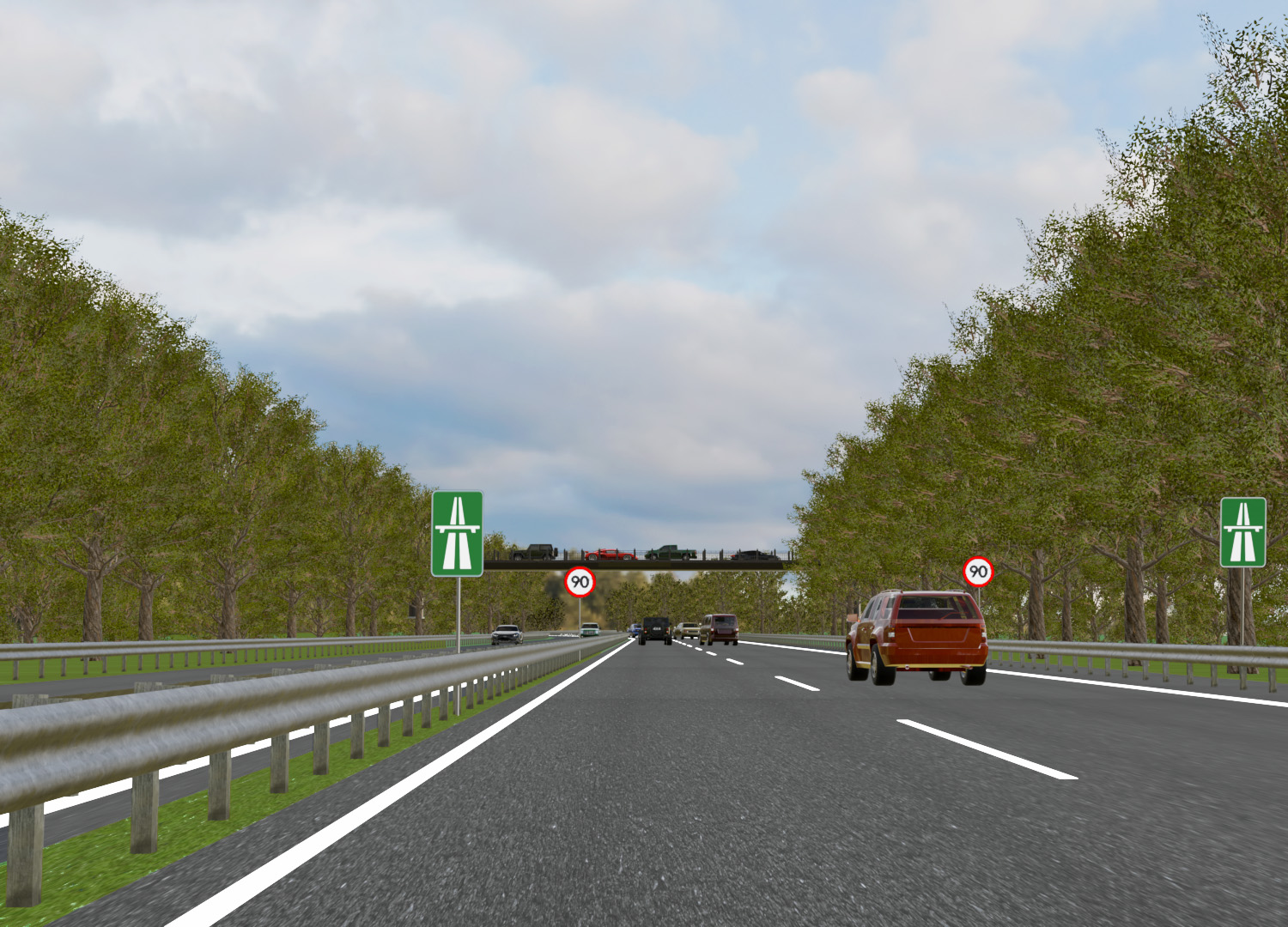
Acceleration lanes (Subsection 3)

The driver travelling in an acceleration lane must adjust their speed to the traffic in the lane to be used for onward driving, and leave the acceleration lane when it can be done without danger or undue inconvenience.

The driver in the lane into which the acceleration lane leads must, if necessary, reduce speed to ease the transition from the acceleration lane.

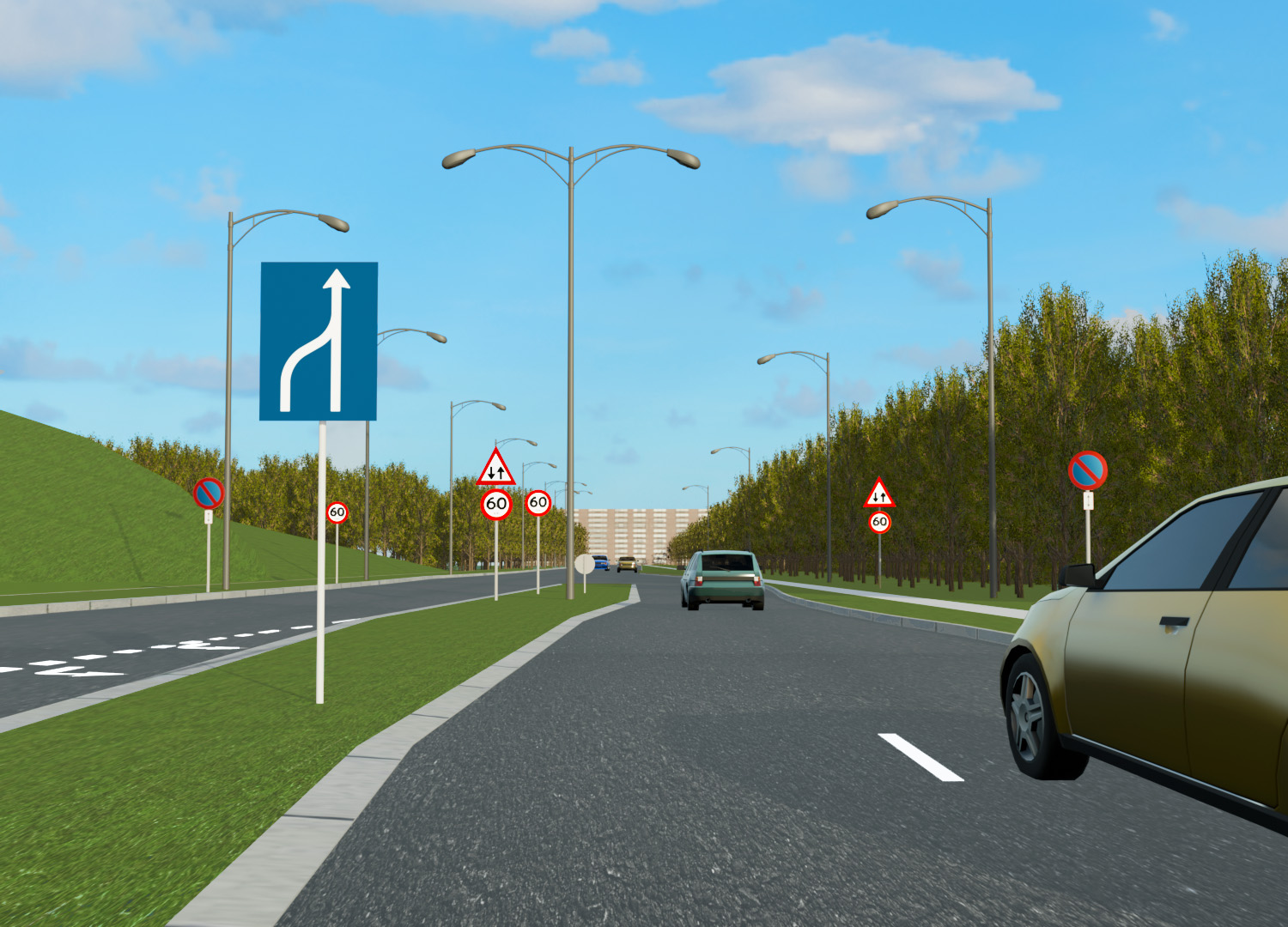
Lanes merging (Subsections 4-5)

When the number of lanes for traffic in the same direction decreases, drivers must, with mutual consideration, adapt their driving to the changed conditions.

Give way sign

Unconditional yielding

The sign indicates that road users driving onto or across a road must give way to the moving traffic from both sides (unconditional yielding). This sign is normally used together with S 11 Give-way line.

In combination with the supplementary plates U 1 and UB 11,1, the sign is used to warn of B 11 and B 13 respectively. Below B 11, D 12 may be placed to indicate the mandatory direction of travel in a roundabout.

Stop sign

Stop

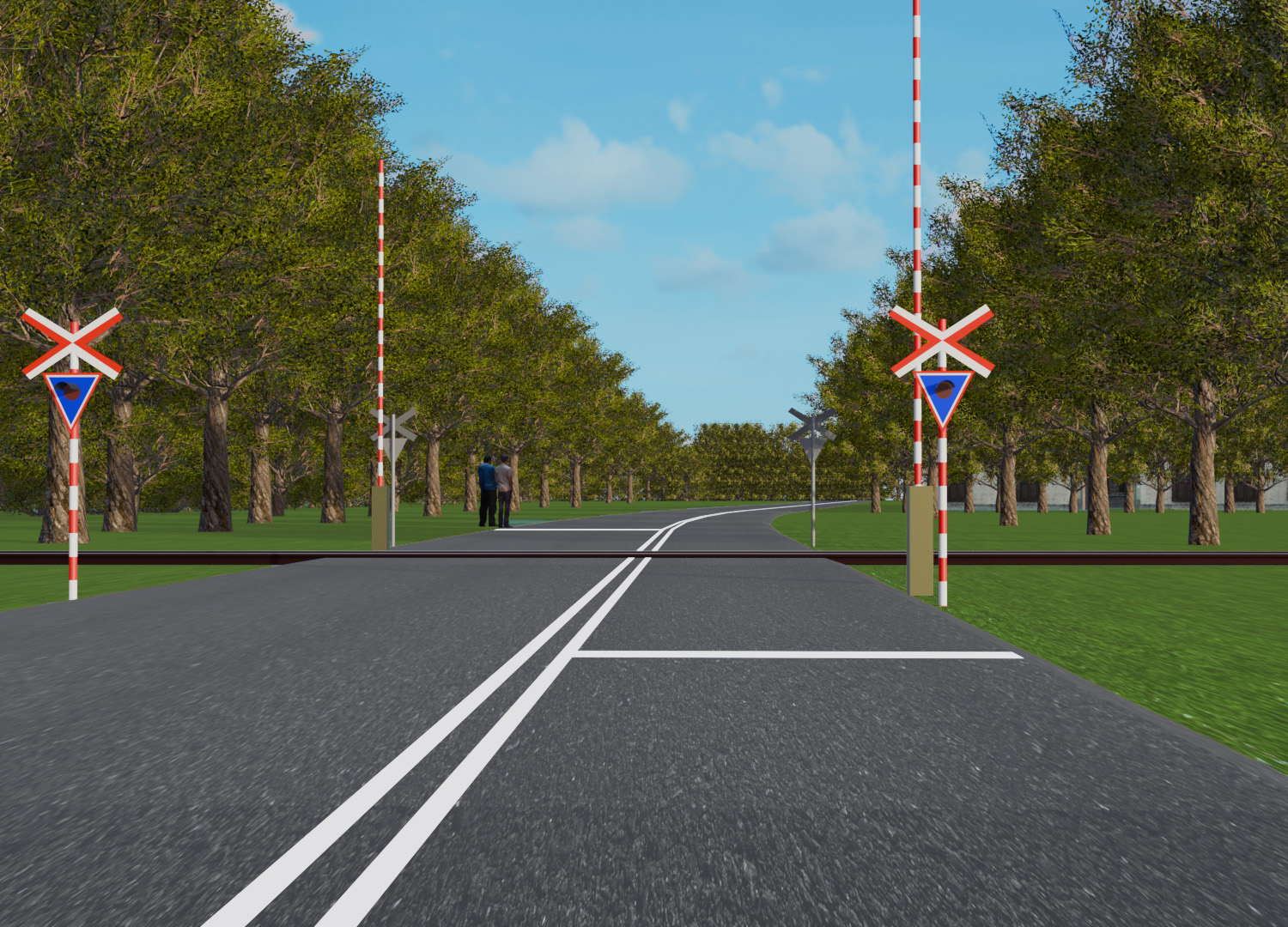
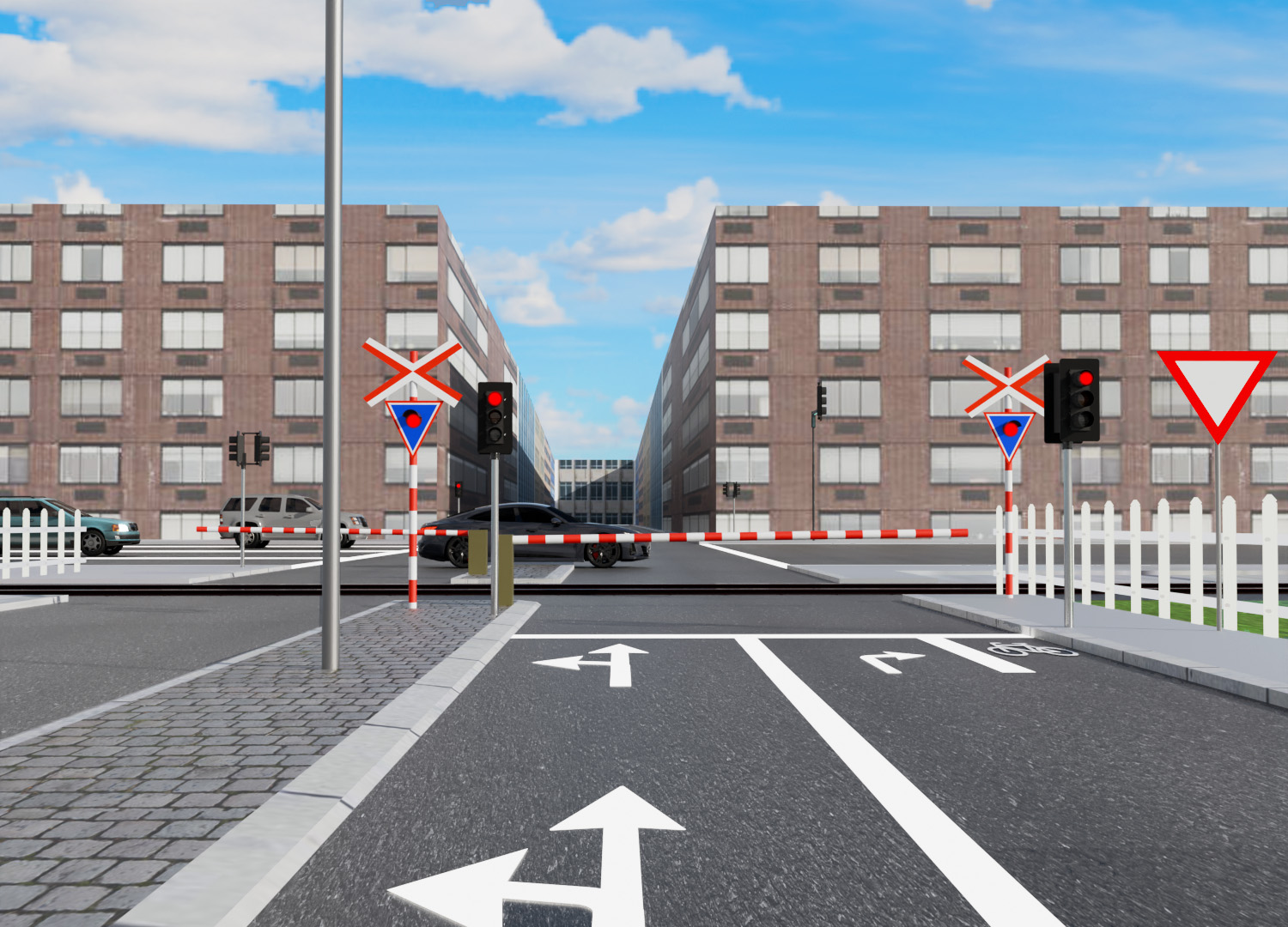
The sign indicates that road users have unconditional yielding and must stop before entering a junction or before crossing railway tracks.

At junctions, however, cyclists and riders of small mopeds who lawfully use the cycle path may, without stopping, turn right along the cycle path on the right-hand side of the crossing road, if this can be done without inconvenience to other road users.

At railway tracks, the sign is placed below A 74 Crossing marker. The sign is normally used together with S 13 Stop line, cf. § 55.

Obligations toward pedestrians

Basic rule

Drivers who meet or drive past pedestrians must give the pedestrian time to move aside and give the pedestrian sufficient room on the road.

Pavements and footpaths

Drivers who drive across a pavement or footpath, or who bring a vehicle onto the carriageway from an exit from a property by the road, must give way to pedestrians. The same applies when the vehicle drives onto or across a pedestrian street.

Driving on a pedestrian street

When driving on a pedestrian street, drivers must exercise special attention and consideration for pedestrians.

Pedestrian crossings

At a pedestrian crossing in places where traffic is regulated by police or signals, the driver must, even when able to pass the crossing in accordance with the signal or the police's instructions, give way to pedestrians who are in the crossing on their way across the carriageway.

Drivers approaching a pedestrian crossing that is not regulated must adjust their speed so that no danger or inconvenience arises for pedestrians who are in the crossing or are about to enter it.

Bus and light-rail stops

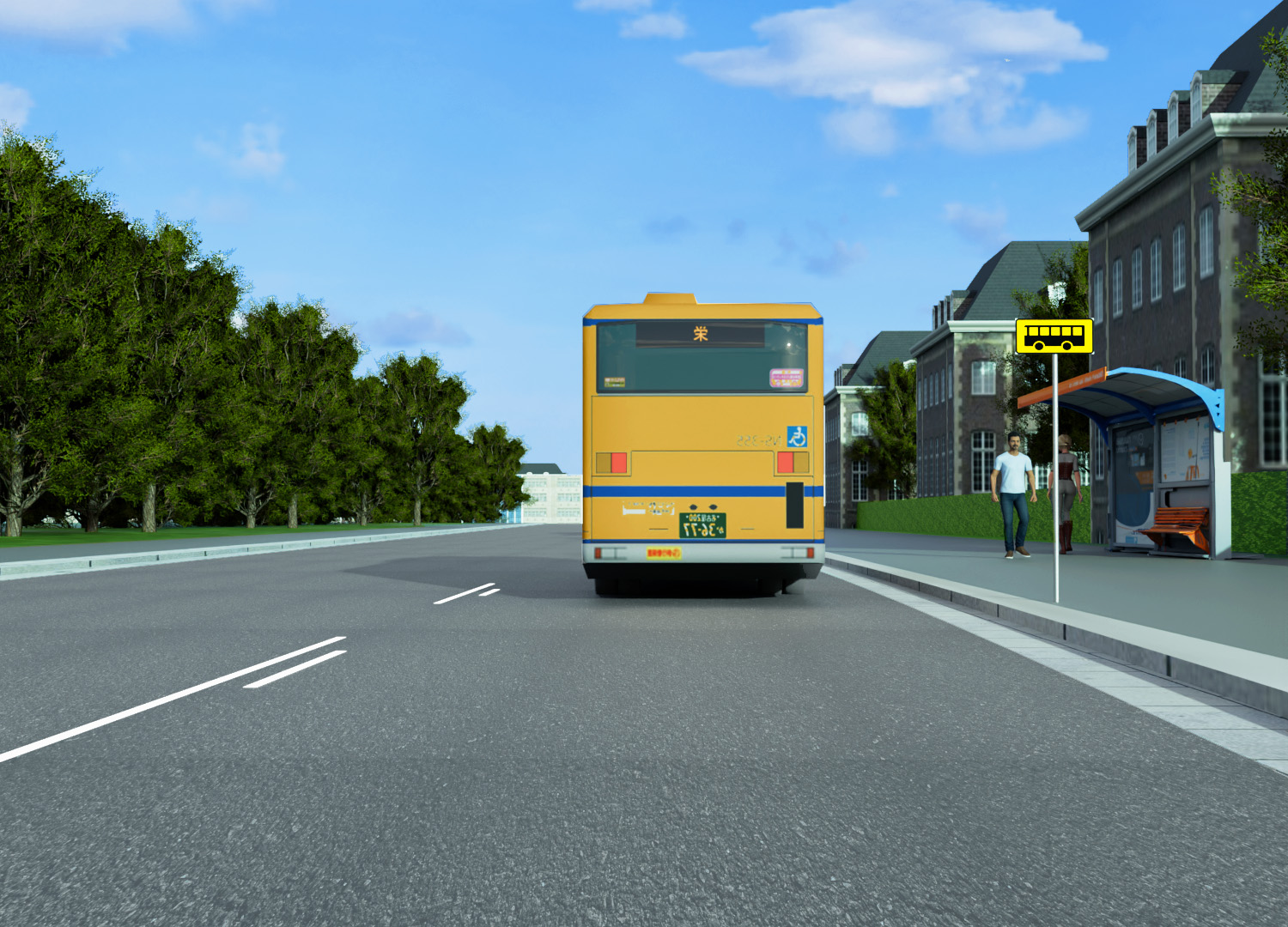
At a bus or light-rail stop located by the edge of the cycle path, where passengers do not get off or on at a specially designed area, drivers on the cycle path must give way and, if necessary, stop for passengers getting off or on.

§ 95. General provisions on markings

The minister's responsibility (Subsection 1)

The Minister for Transport, Building and Housing lays down rules for the design and meaning of:

  • Traffic signs
  • Markings on the carriageway
  • Signals
  • Other markings or installations on or by roads that regulate or guide traffic

Deviation from traffic rules (Subsection 2)

The traffic rules may be deviated from by markings as described in subsection 1.

Use and approval (Subsections 3-4)

The Minister for Transport, Building and Housing also lays down rules for the use of the markings, including a requirement to obtain the consent of the police.

The minister may decide that technical rules and standards for markings are drawn up in connection with the road regulations laid down by the minister.

Important points to remember

Unconditional yieldingFrom private areas and subordinate roads
Right-side priorityWhen nothing else is indicated
Protect pedestriansSpecial obligations
Remember: Right of way is about mutual respect and safety in traffic!