Placement, Turning, U-turns and Lane Change

Fundamental manoeuvre rules on Danish roads

Correct placement and manoeuvring

Safe traffic is built on correct placement on the road and well-executed manoeuvres.

Placement on the road

Basic rule

Keep to the right: Drivers must always keep as far to the right as possible, taking account of the traffic and the current conditions.

Three lanes

On roads with three lanes, drivers may not use the far left lane in the direction of travel, unless the traffic is one-way.

Distance to the vehicle ahead

The distance to vehicles ahead must be sufficient to avoid a collision if the vehicle in front brakes or reduces speed.

Special situations

Vehicles with speed restrictions must, outside built-up areas, also keep enough distance that overtaking vehicles can pull in between them without danger.

Traffic islands and signals

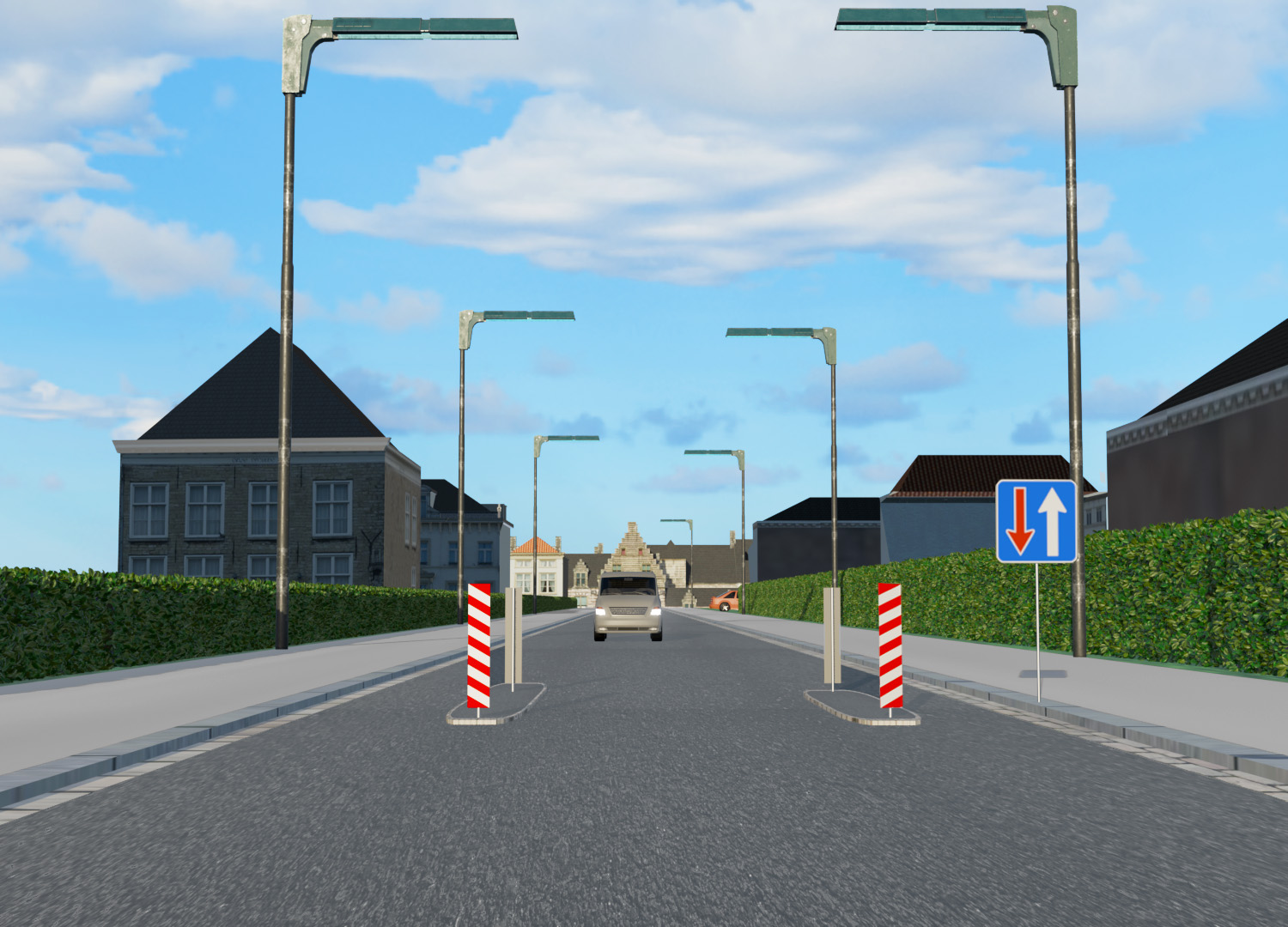
Drivers must keep to the right of traffic islands, traffic signals and similar features on the carriageway, unless signs or markings allow passing to the left, or the carriageways are one-way.

Roadworks

Vehicles carrying out roadworks may drive as needed, as long as it is done with due care for the work.
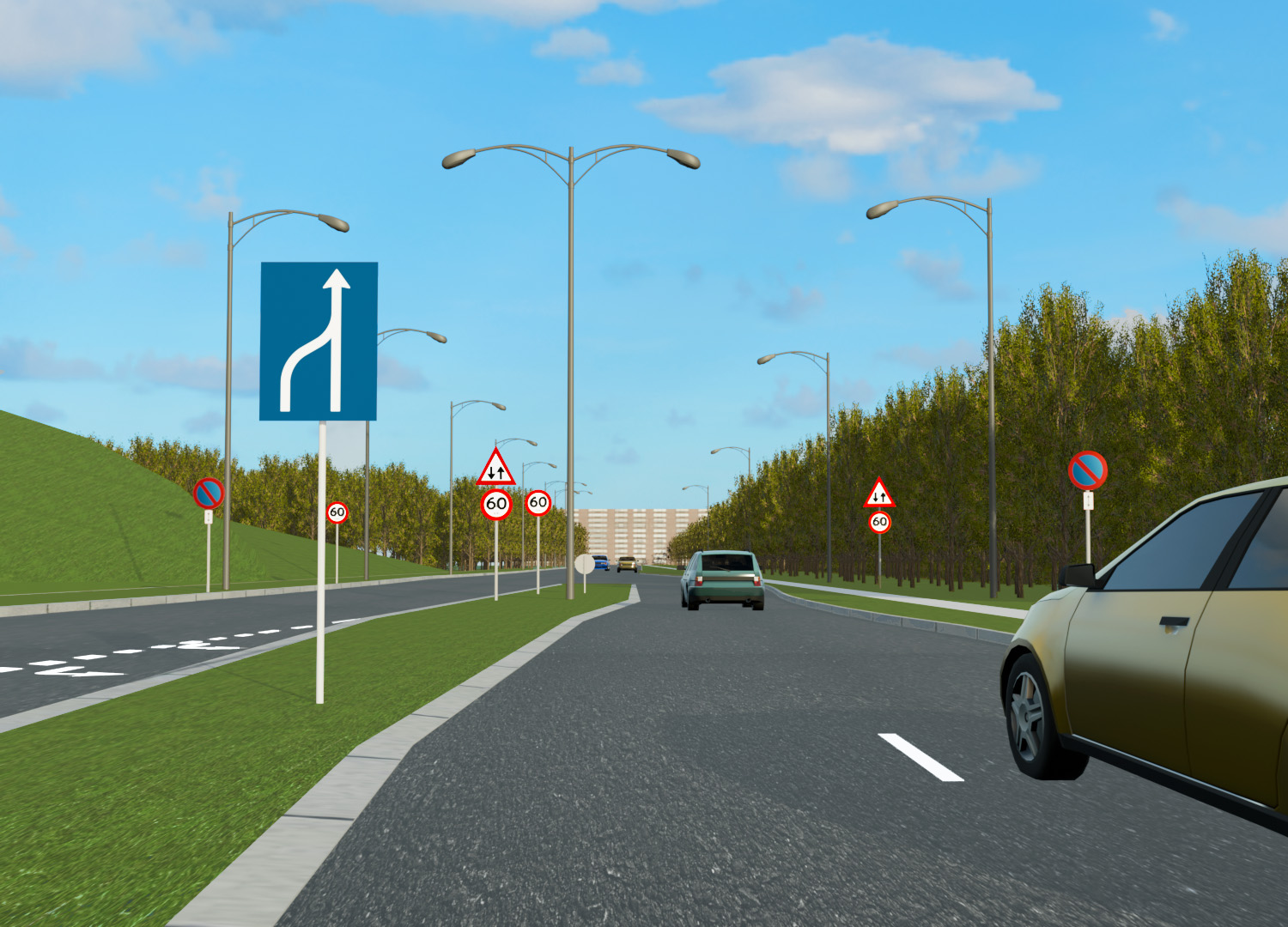
§ 42. General speed limits

Ordinary roads

On roads that are not motorways or expressways, the speed must not exceed the following limits:

  • In built-up areas: 50 km/h
  • Outside built-up areas: 80 km/h

Higher speed limits

Subsection 4: On certain stretches of road a higher speed limit may be set, if conditions, including the flow of traffic, allow it and if essential considerations of road safety are not disregarded.

Motorways and expressways

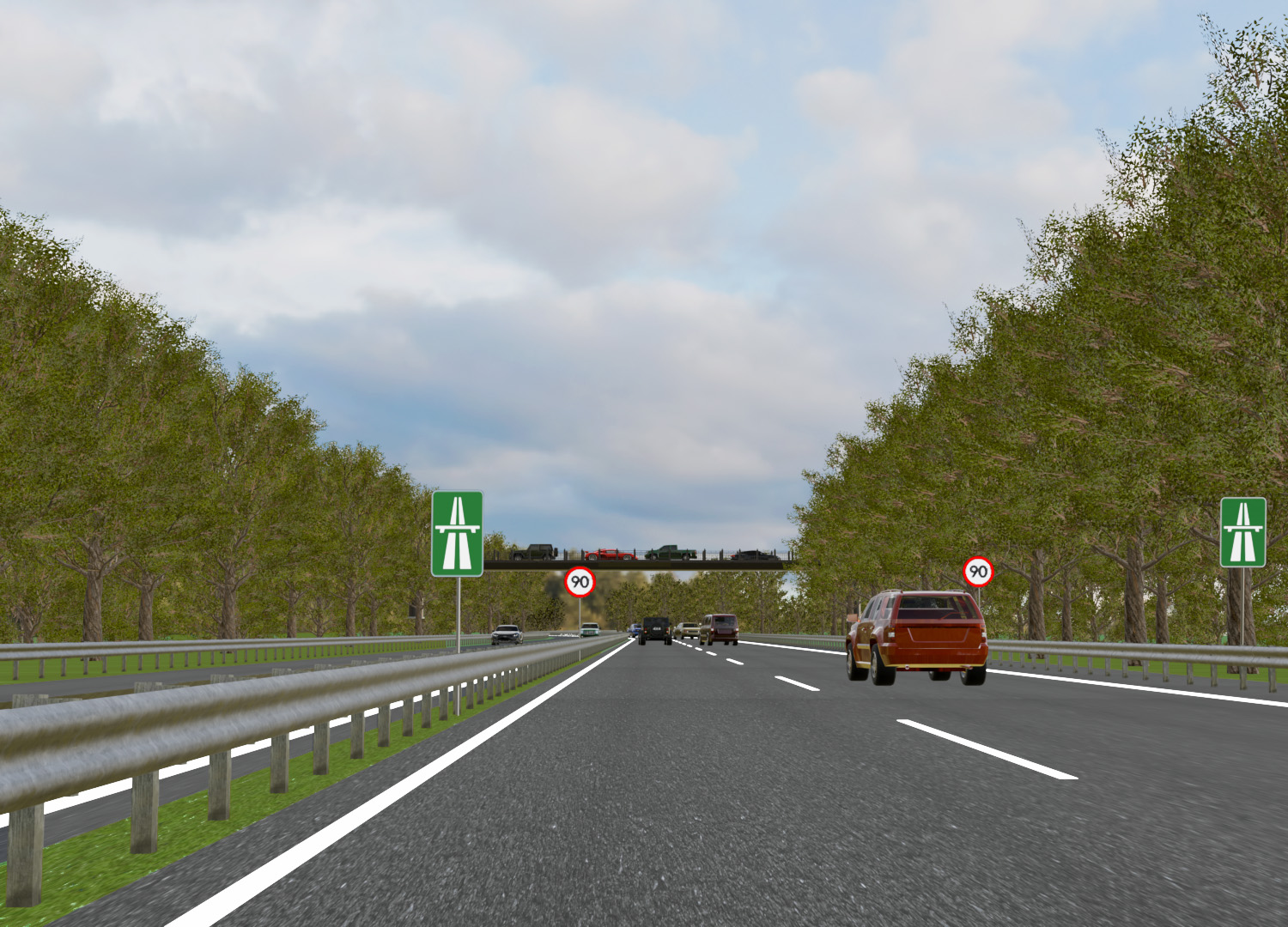
Subsection 2: On motorways the speed may be no more than 130 km/h.
Subsection 3: On expressways the speed may be no more than 80 km/h.

Maximum limits

On expressways and motorways the speed must nevertheless not exceed 100 km/h and 130 km/h respectively.

Lower limits

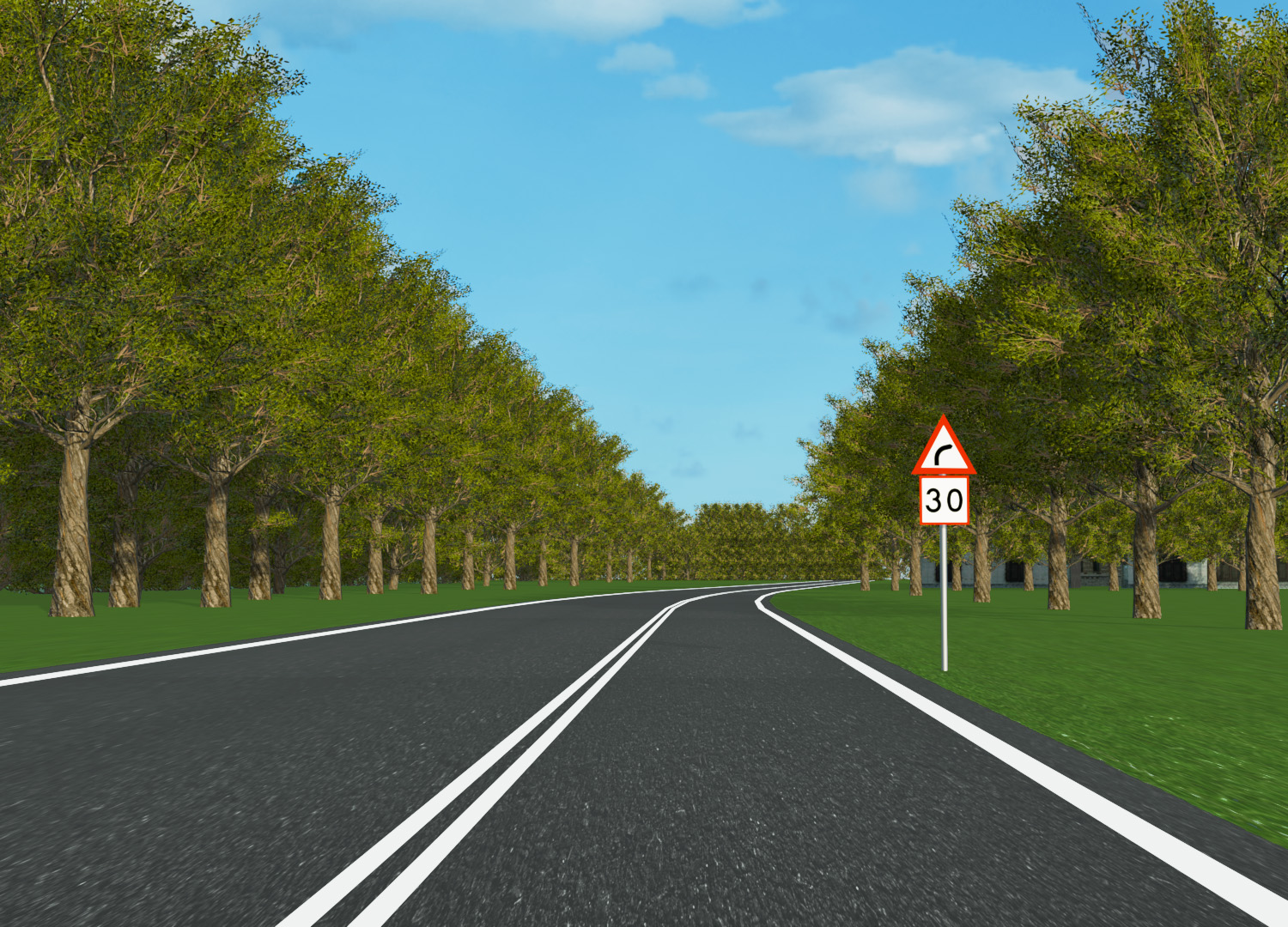
Subsection 5: On stretches of road where it is not safe or desirable to allow driving at the general speed limits, a lower limit may be set.

§ 43. Speed rules for specific vehicles

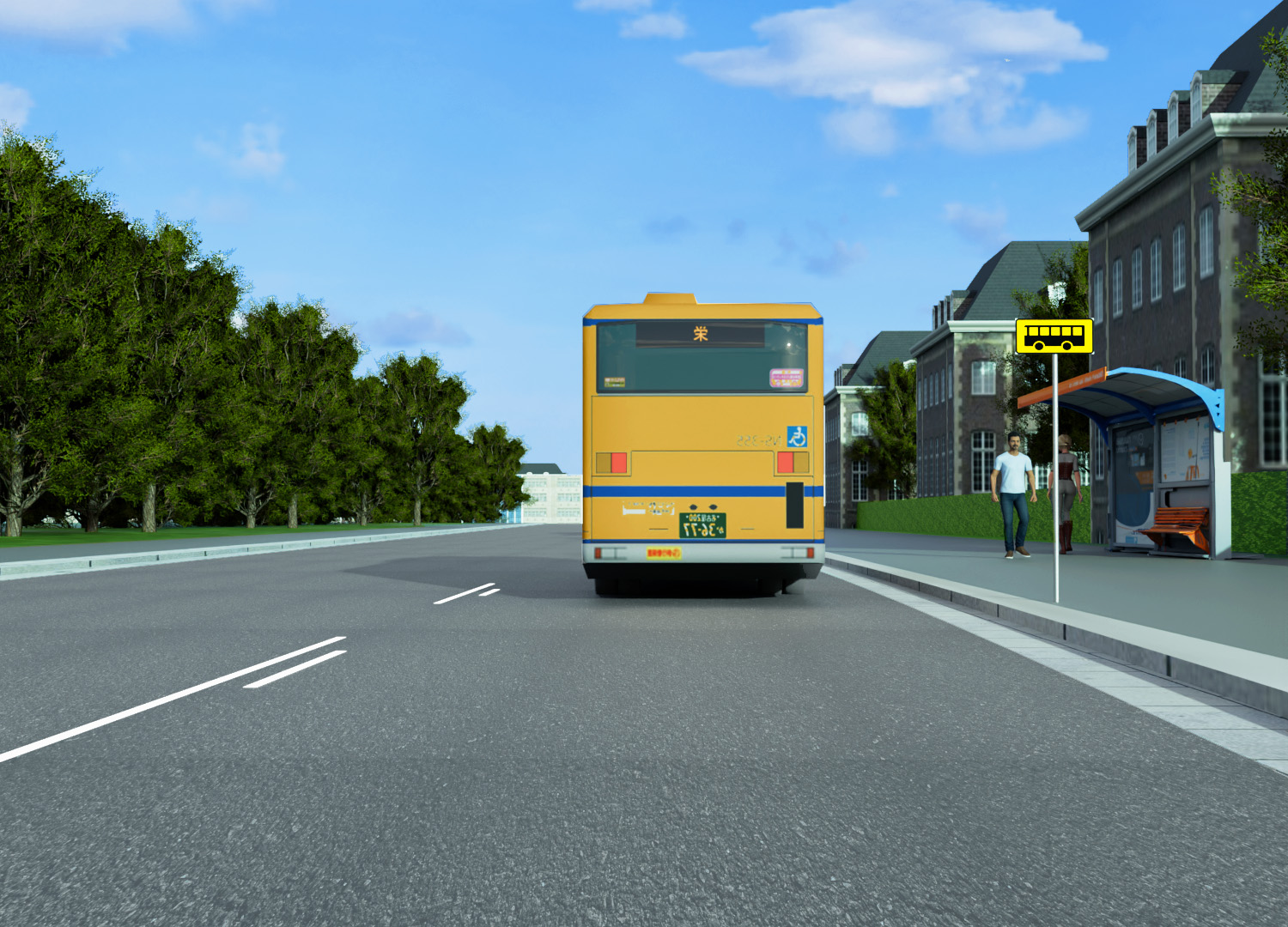
Buses

Buses with a permitted total weight over 3,500 kg may not drive faster than 80 km/h, unless they meet the conditions in subsection 10, which allow a speed of 100 km/h on motorways.

Trucks and vehicle combinations

  • Over 3,500 kg: On roads other than motorways may not drive faster than 70 km/h
  • On motorways: May not exceed 80 km/h, unless they meet the conditions in subsection 11, which allow up to 100 km/h

Vehicles with trailers

For vehicles with a permitted total weight of up to 3,500 kg that have a trailer attached, the speed on other roads must not exceed 70 km/h, unless they meet the conditions in subsection 11.

Tractors and small vehicles

For cars and motorcycles with non-registrable trailers, and for tractors and motorised tools, the speed must never exceed 30 km/h.

Unless they meet the relevant conditions in subsection 12, which may allow up to 40 km/h.

Solid wheel coverings

For vehicles or vehicle combinations with solid wheel coverings, the speed must never exceed 15 km/h.

Mopeds

  • Large moped: May not drive faster than 45 km/h
  • Small moped: May not drive faster than 30 km/h

Regardless of the general speed limits.

Turning etc.

Placement before turning (Subsection 1)

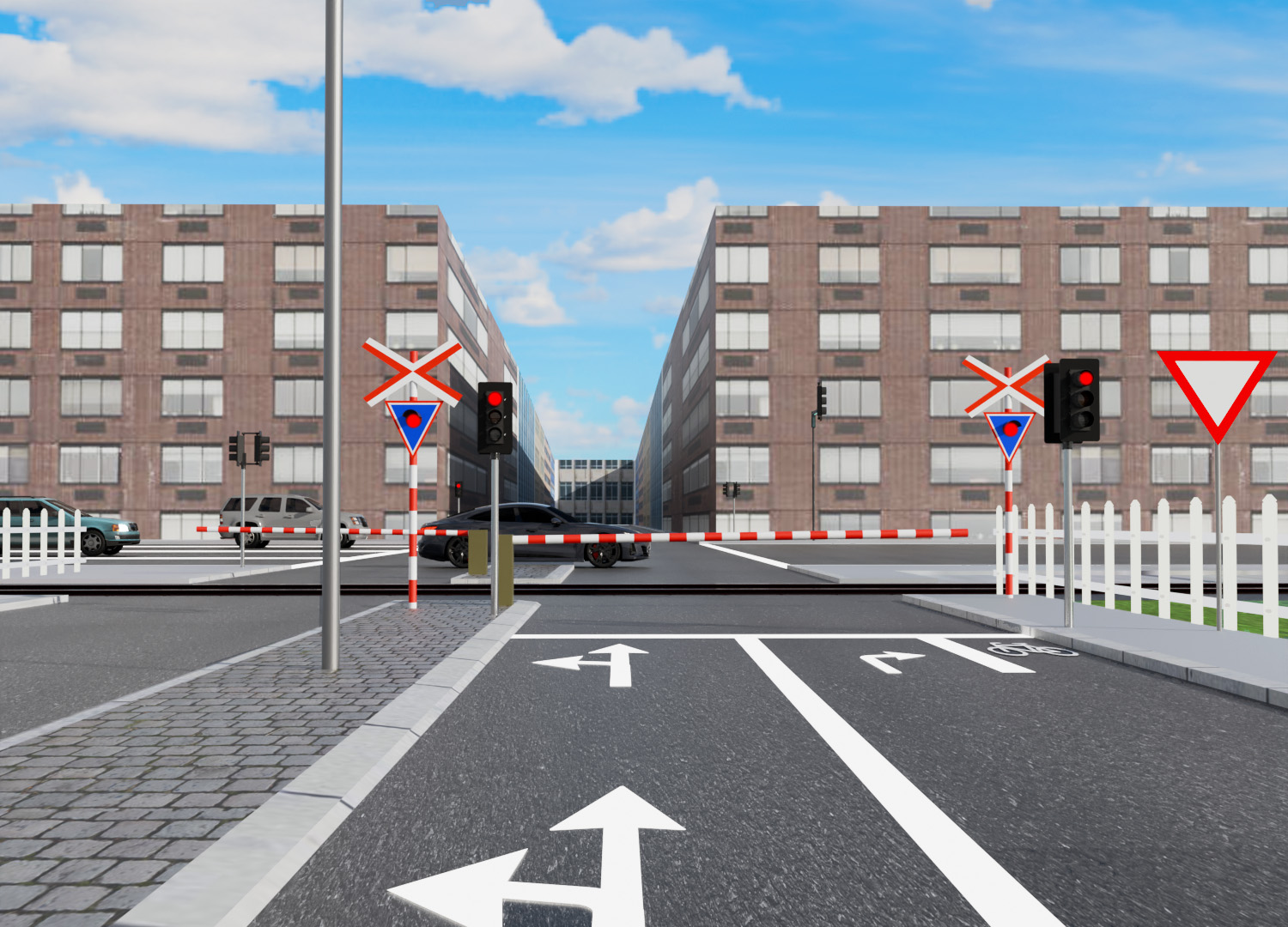
In good time before a junction where the carriageway has several lanes in the same direction, vehicles must position themselves:

  • Right turn: In the right-hand lane
  • Left turn: In the left-hand lane
  • Straight ahead: In the most appropriate lane, taking account of the traffic

Safety before the manoeuvre (Subsection 2)

Before changing direction at a junction, you must make sure that you can carry out the manoeuvre without danger or undue inconvenience to other road users travelling in the same direction.

Carrying out the turn (Subsection 3)

Right turn: The vehicle must be kept as close as possible to the right edge of the carriageway, and the turn must be made as short as possible.
Left turn: The vehicle must be kept closer to the centre of the carriageway, or towards the left edge if the traffic is one-way. The turn must be carried out so the vehicle ends up to the right in the lane it turns into.

Oncoming left turns (Subsection 5)

Oncoming vehicles that both have to turn left at a junction may pass each other on the left, if it can be done without danger or inconvenience.

U-turns, reversing and lane change etc.

U-turns and reversing (Subsection 1)

Before making a u-turn or reversing, the driver must make sure the manoeuvre can be carried out without danger or inconvenience to others.

A u-turn should as a rule be made forwards to the left, unless the conditions do not allow it.

Entry lanes (Subsection 3)

Drivers on the entry lane (acceleration lane) must adjust their speed to the traffic on the lane the vehicle is to enter, and leave the entry lane when it can be done without danger or undue inconvenience.

Drivers on the lane the entry lane is to merge into must, if necessary, reduce their speed to ease the transition.

Changes of position (Subsection 2)

Before starting to drive from the edge of the road, changing lane or making any other change to the vehicle's position, the driver must make sure the manoeuvre can be completed without danger or undue inconvenience to others.

The same applies when you wish to stop or quickly reduce speed.

Exit lanes (Subsection 5)

The exit lane (deceleration lane) must be used immediately, as soon as you reach the start of the lane.

The same applies to lanes reserved for a particular type of traffic, as well as lanes to be used when turning.

Important points to remember

Keep to the rightThe basic rule for placement on the road
Safety firstCheck before every manoeuvre
Correct placementPosition yourself in good time before turning
Remember: Correct placement and safe manoeuvres are crucial for road safety!