Essential traffic rules

Foundational knowledge for safe driving and Danish traffic law

Important traffic rules to know

Here you will find the most basic traffic rules that every motorist must know in order to drive safely and legally on Danish roads.
Standard speed limits

  • 50 km/h in urban zones
  • 80 km/h outside urban zones
  • 80 km/h on expressways
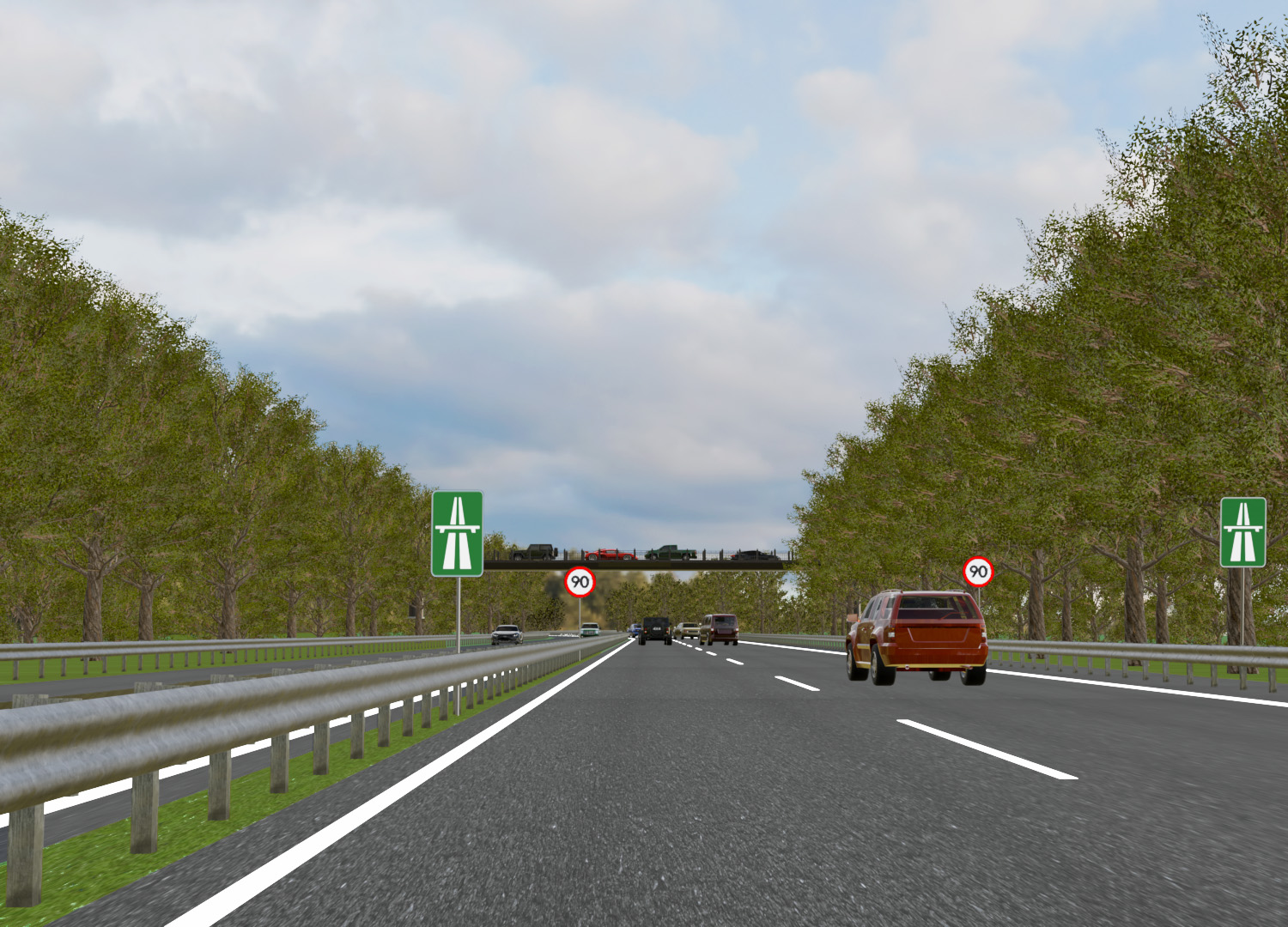
  • 130 km/h on motorways

Maximum vehicle dimensions

  • Width: Maximum 2.55 metres
  • Height: Maximum 4 metres (measured from the road surface)
  • Length: Maximum 12 metres
Important: All dimensions apply both with and without load.

Rules for towing

  • It is permitted to tow another car with your car.
  • The distance between the vehicles may be no more than 4 metres.
  • If the distance is over 2 metres, the rope must be clearly marked.
  • The maximum speed while towing is 30 km/h.
  • Special rules apply on motorways.

Warning triangle

  • In the event of a breakdown or engine failure where the car poses a danger or obstruction to traffic, a warning triangle must be set up immediately.
  • On ordinary roads, the triangle is placed at least 50 metres before the car.
  • On motorways, the triangle is placed at least 100 metres before the car.

Alcohol rules

Important: Maximum permitted blood alcohol level: 0.5 per mille (in the Faroe Islands: 0.2 per mille)
  • Conditional disqualification: 0.5 – 1.2 per mille.
  • Unconditional disqualification: Over 1.2 per mille.
  • Large fine: 0.8 – 2.0 per mille.
  • Imprisonment: Over 2.0 per mille.
  • You can also be punished for driving with a level below 0.5 per mille if it is deemed dangerous.

Instructions for driving

  1. Traffic instructions given via traffic signs, lane markings, or traffic signals must always be followed.
  2. Yellow road markings are used for temporary regulation, for example at roadworks, and must be respected instead of white lines and other markings.
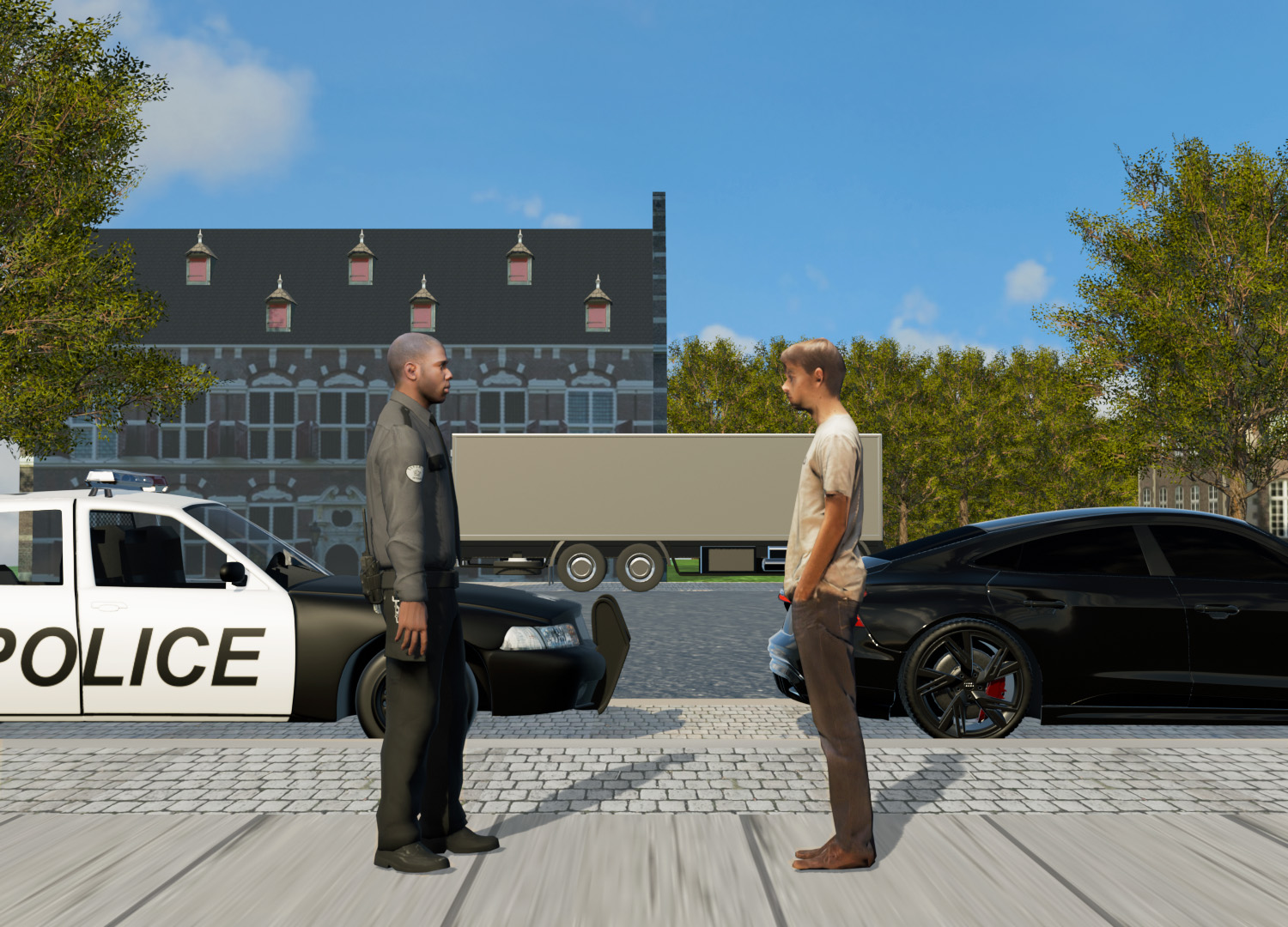
  3. Police instructions must be followed, even if they conflict with signs, markings, signals or current traffic rules. Instructions may also be given by others who are authorised to do so.

Lane changes and merging

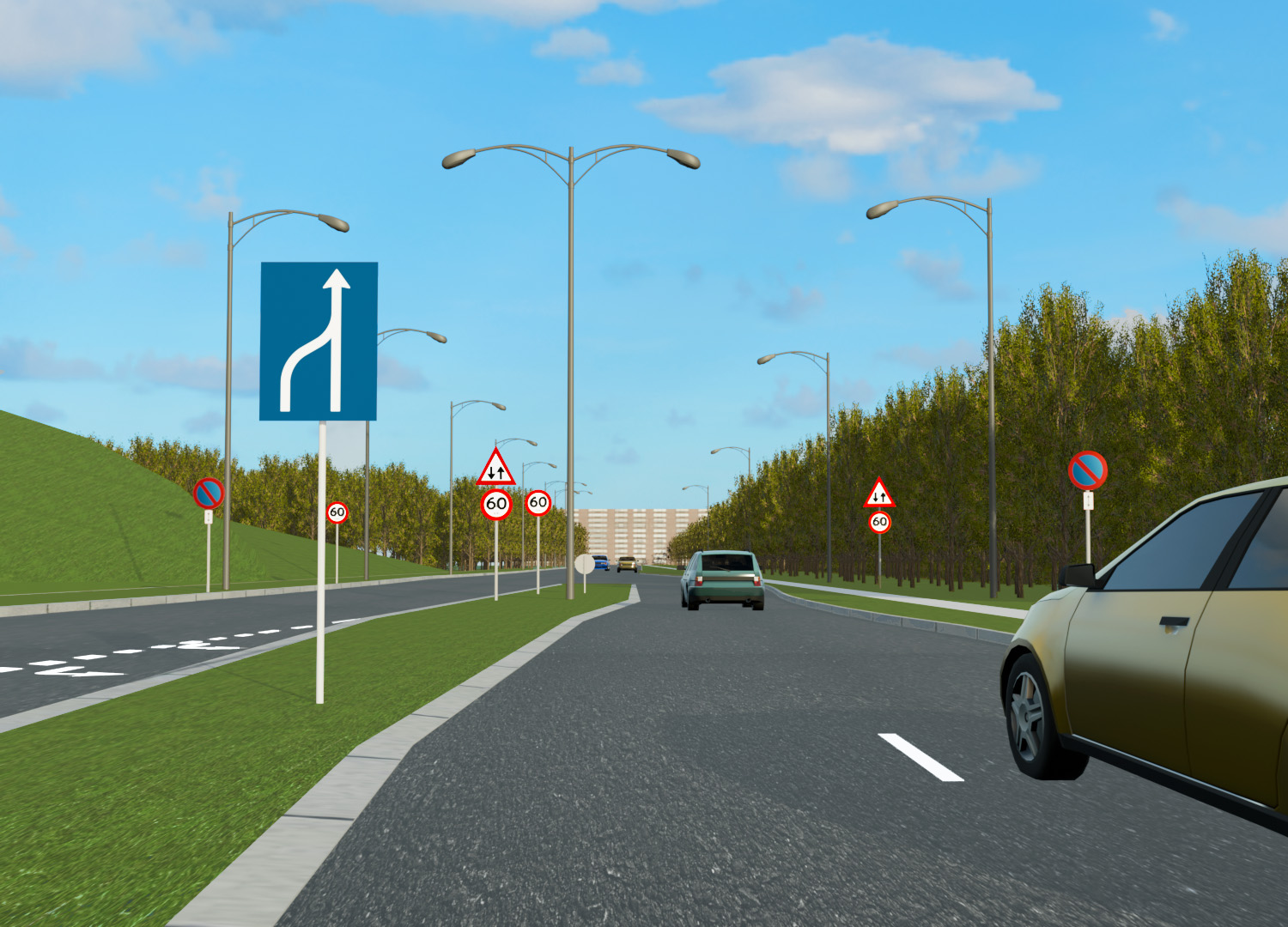
Merging illustration

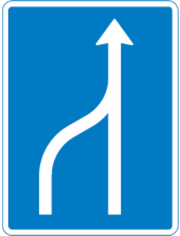
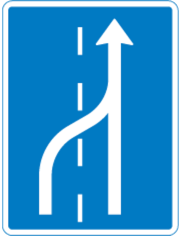
Merging

  • Pay attention to traffic coming from behind, lane markings and the course of the road.
  • Remember the rule: “Where the lines disappear, you merge”. When the lines end, traffic must merge together.
  • The leading car goes first, while the trailing car reduces speed and stays behind.

At entry lanes

  • Adjust your speed to the traffic and leave the entry lane without creating danger or obstruction.
  • If you are already driving on the road, you must give way to cars wanting to join the road. Reduce speed or change lane if traffic allows, and follow the rules for lane changes.
Lane change illustration

Lane changes

  • Pay attention to traffic coming from behind, lane markings and the course of the road.
  • Make sure you do not create danger or unnecessary obstruction for others. Unlike when merging, the road lines do not disappear when changing lanes. It is therefore your responsibility to ensure that the lane change can be made safely.
  • Indicators: It is good practice to use indicators when changing lanes to make your intentions clear to other road users. On motorways it is mandatory to use indicators when changing lanes.
No overtaking illustration

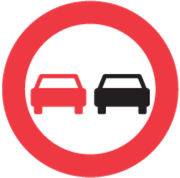
No overtaking

  • Overtaking must, as a rule, be done on the left.
  • Overtaking on the right is only permitted when a vehicle is preparing or making a left turn.

Ban on overtaking at junctions – exceptions

It is normally prohibited to overtake at junctions, unless:
  1. There are several lanes in the same direction.
  2. The overtaking is done on the right of a vehicle turning left.
  3. The junction is regulated by traffic lights or police.
  4. The crossing traffic has unconditional duty to give way.

Other prohibitions

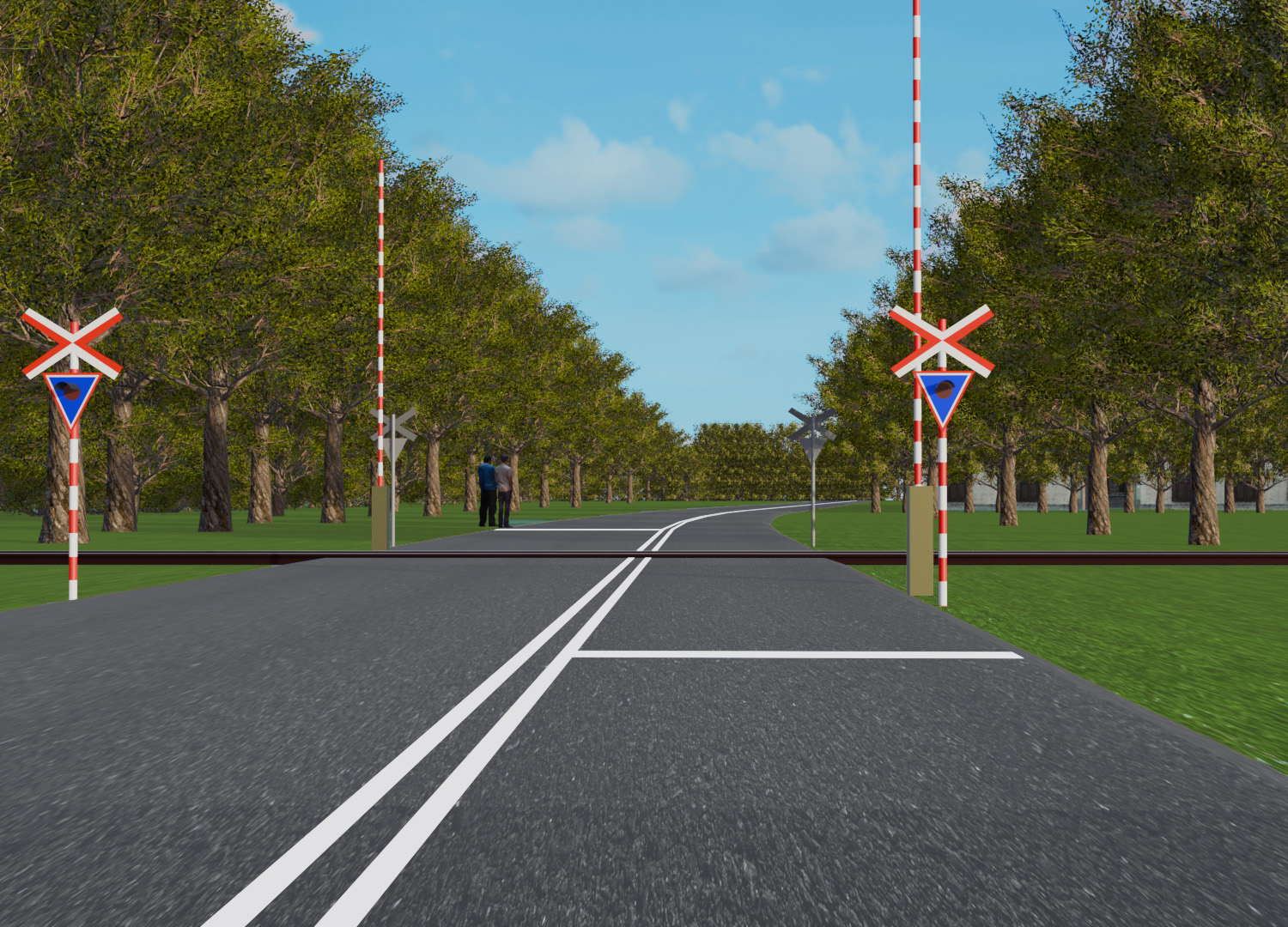
  • Overtaking is prohibited in front of or at level crossings.
  • Overtaking on hills and in bends with reduced visibility is only permitted if there are at least two lanes in the same direction and oncoming traffic cannot use them.

Special rules

  • The ban on overtaking at junctions, on hills and in bends does not apply to two-wheeled bicycles or mopeds that are not subject to registration.
  • On roads with three lanes, the outermost left lane may not be used for overtaking unless all lanes are one-way.
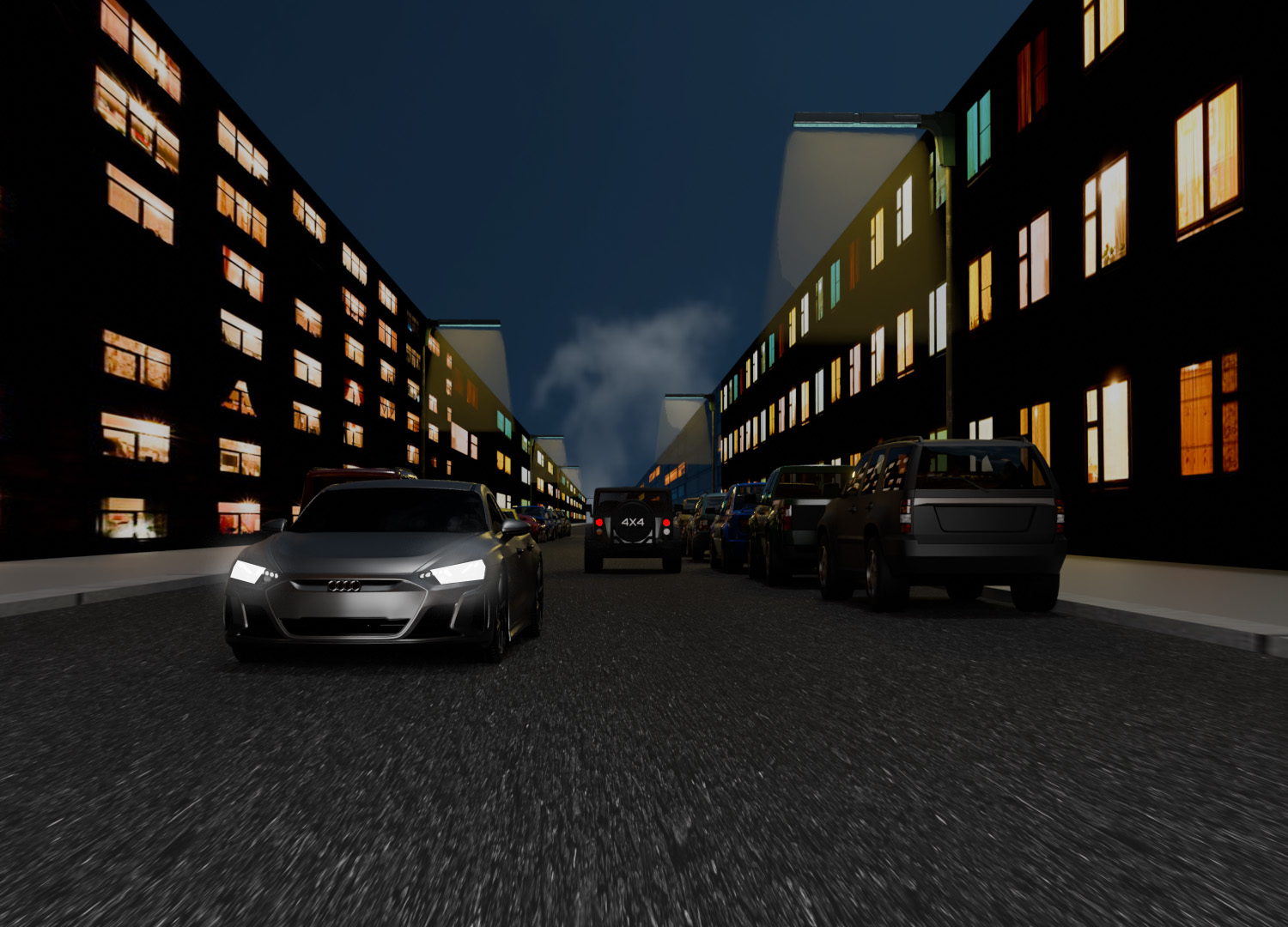
Driving in the dark illustration

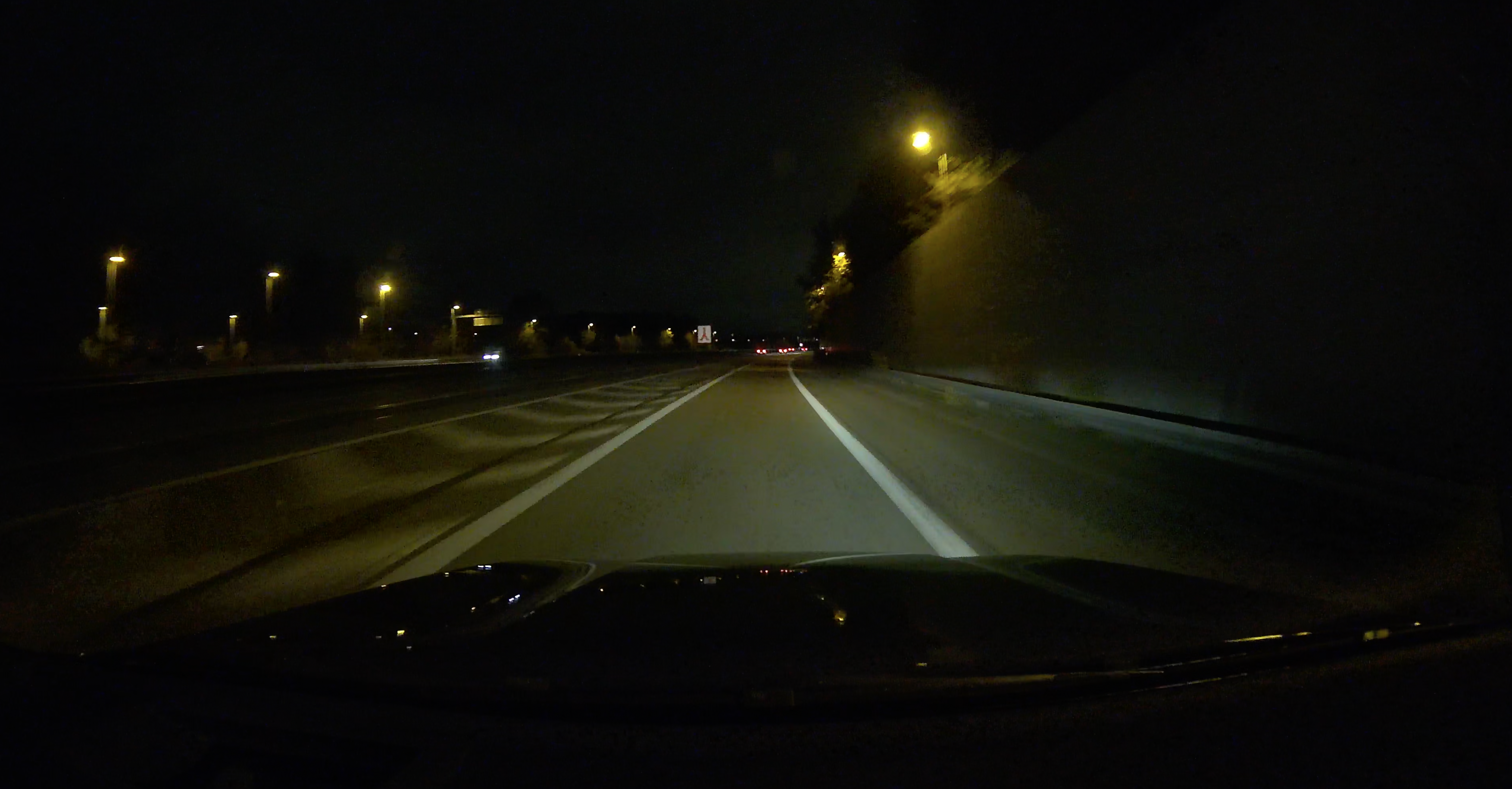
Driving in the dark

Dimming headlights

  1. Switch from high beam to low beam 200-300 metres before an oncoming car or motorcycle.
  2. Switch 100-150 metres before an oncoming cyclist or pedestrian.

Adjusting speed

  1. Reduce speed before dimming so it matches the new sight distance.
  2. When meeting oncoming traffic on a narrow road, speed should not exceed 40 km/h.
Remember: Good sight distance is crucial for safe driving in the dark.

Stopping and parking

No parking illustration

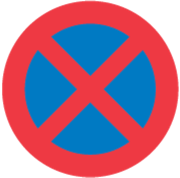
Ban on stopping and parking

Locations

  • On footpaths, cycle paths, central reservations, traffic islands, hatched areas or similar, as well as generally on pavements.
  • On the left side of the road (except on less trafficked roads and one-way roads).
  • Closer than 5 metres from the start of a continuous line at a junction.
  • At junctions or within 10 metres from the nearest edge of a crossing road or cycle path.
  • Beside a continuous line if the distance between the car and the line is under 3 metres, unless there is a broken line to the right of the continuous line.
  • On pedestrian crossings or closer than 5 metres before the crossing.
  • At level crossings or similar crossings.
  • On bridges over motorways, in viaducts or tunnels.

Specific areas

  • In crawler lanes.
  • On or near the tops of hills.
  • At road bends with reduced visibility.
  • At exits from cycle paths or closer than 5 metres before the exit.

Signalling and marking

  • In a way that covers traffic signs or signals.
  • At a continuous yellow kerb marking.

Bus stops and taxi ranks

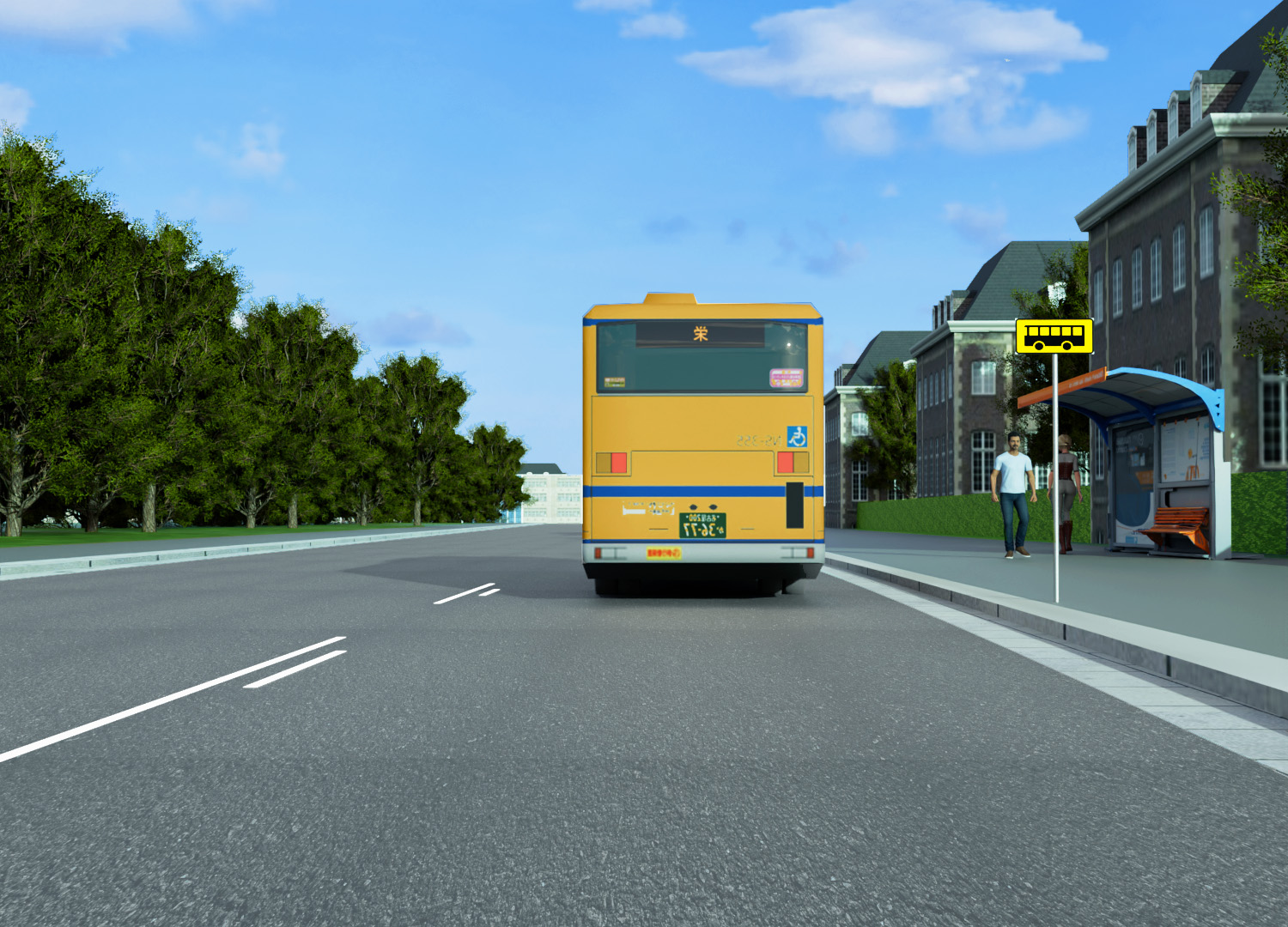
  • At bus stops within 12 metres before and 12 metres after the sign or at a yellow edge line.
  • At taxi ranks.
Parking prohibited illustration

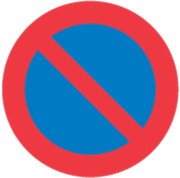
Ban on parking

At properties

  • In front of entrances and exits to properties or in a way that makes access and departure difficult.

Beside other vehicles

  • Beside another vehicle parked at the roadside (except a two-wheeled bicycle, moped or motorcycle without a sidecar).
  • So close to another vehicle that access or removal becomes difficult.

At specific places

  • Closer than 30 metres from a level crossing.
  • At places with the traffic sign “No parking”.
  • On a main road outside more densely built-up areas.
  • At a broken yellow kerb marking.
Tip: Always pay attention to local parking rules and signs.